Hope Review
This review is based on a screening at the 2026 Cannes Film Festival.
One of the most confounding films to compete for the Palme d’Or, Cannes Film Festival debut Hope is a rip-roaring Korean creature feature made with gonzo skill. Idiosyncratic in structure, spring-loaded with momentum, and doused in additional rocket fuel, it’s the kind of movie sure to divide viewers given how obviously it’s been cut down from something longer and more labyrinthine in scope. However, its flaws are all part and parcel of its dazzling, “How the hell does this even exist?” spectacle. It’s the kind of reaction reserved for bangers like Mad Max: Fury Road, especially given just how much of Hope unfolds on roads and highways at a hundred miles an hour, with characters leaning out of cop cars and practically kissing the pavement; the comparison isn’t unwarranted.
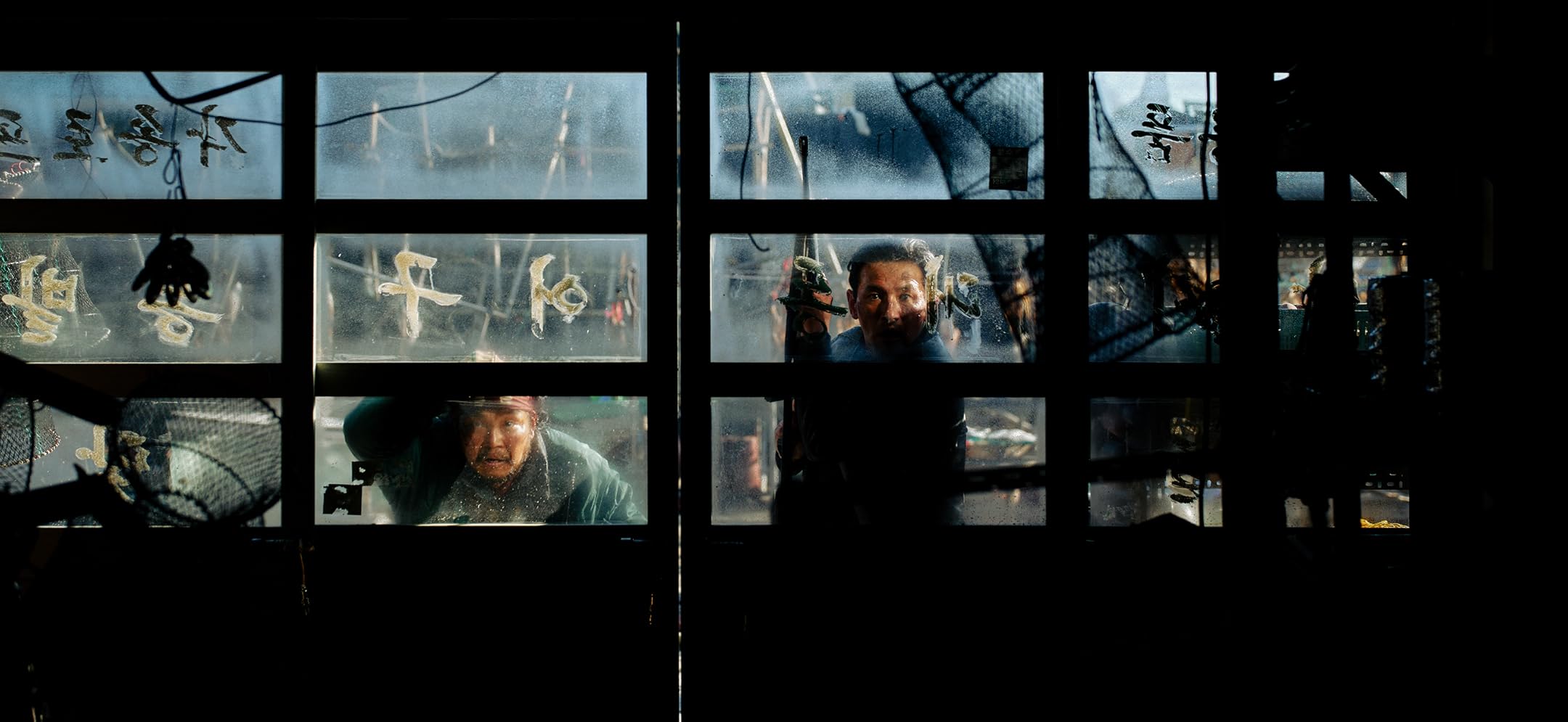
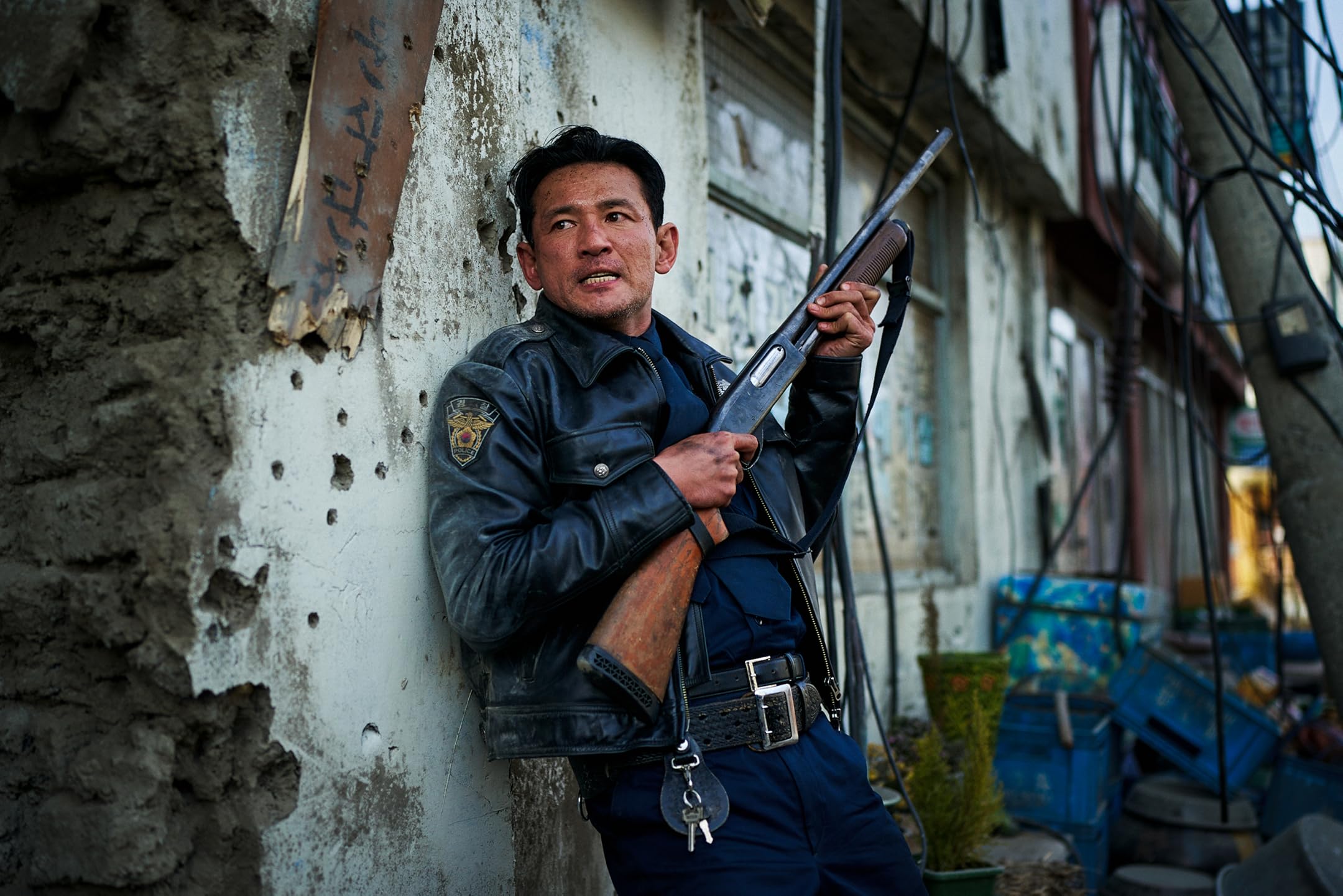
Set along the DMZ in the South Korean border town of Hope Harbor, Hope departs from other great films of its ilk, like Bong Joon Ho’s The Host, by picking a rural setting. Police chief Bum-seok (Hwang Jung-min) and various gun-toting locals are called to investigate a bull carcass in the middle of an open road, with claw marks far too big for the local bears, but before they have a chance to dig into the mystery, carnage begins engulfing their nearby township. This thrusts them into utter chaos for nearly the film’s first full hour as they chase down an unseen monster while navigating bodies, debris, and cars sent tumbling from off-screen in scenes that alternate between the dizzying terrors of director Na Hong-jin’s last film, The Wailing, and something out of William Friedkin’s The French Connection, with cameras low to the ground as they zip around tight turns.
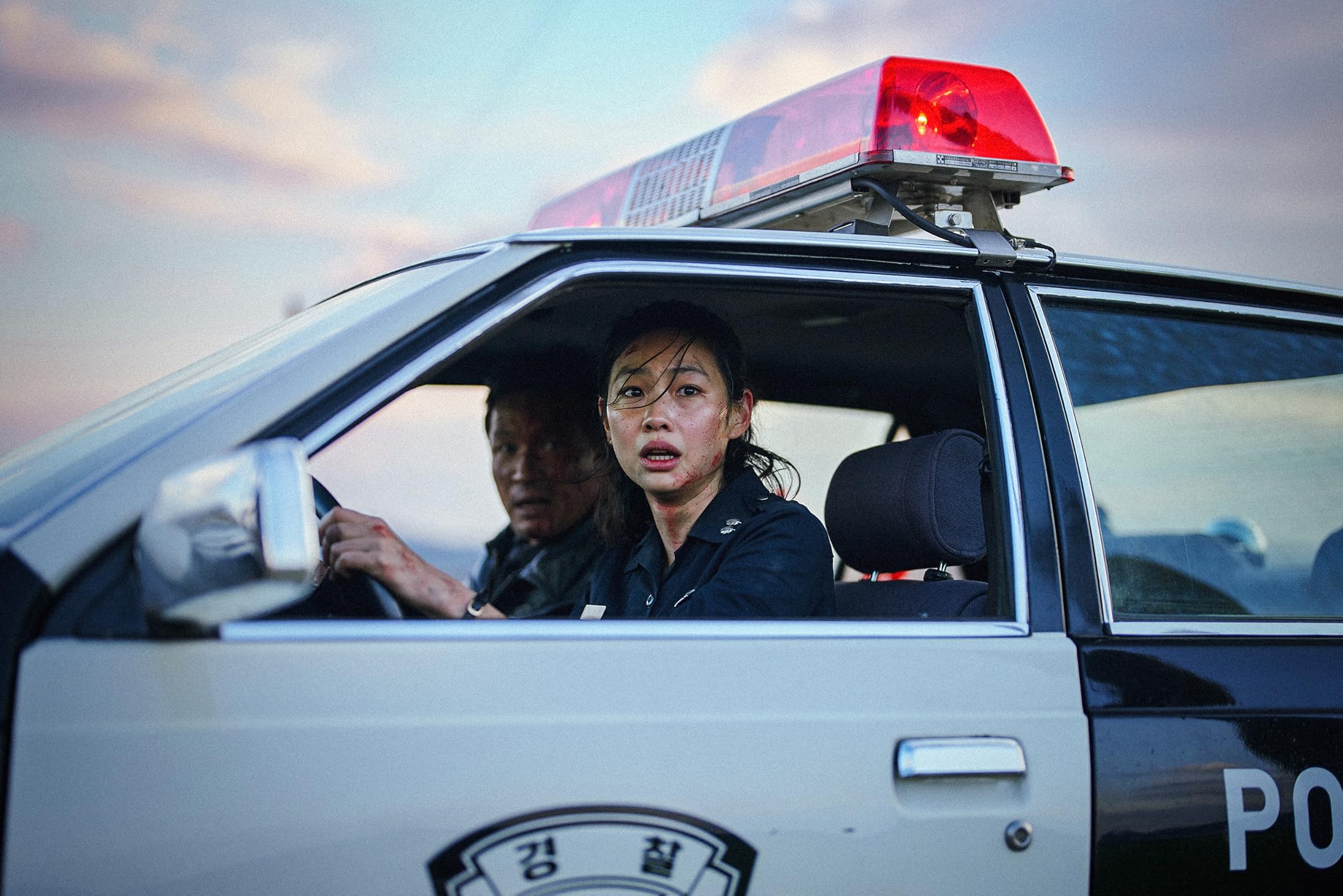
While we do eventually see the aforementioned creature – one of several that appear across the movie’s 160 minutes, played via performance capture by Alicia Vikander, Michael Fassbender, Cameron Britton, and Taylor Russell — this initial, extended set piece provides enough heart-in-mouth thrills that you might even wish the monsters remained unseen. Granted, this might also be the case if you’re averse to malformed CGI, but the standards once set by Hollywood aren’t the same everywhere else. The way Na Hong-jin uses his digital tools, as though bringing impossible stop-motion critters to life, makes for a marvellous romp. The characters are largely paper-thin cutouts, but they provide enough levity and allure to keep things moving. For instance, there’s Squid Game mainstay Jung Ho-yeon, who plays rookie cop Sung-ae and gets a heroic, grenade launcher-wielding entrance akin to a South Indian action star.
To say that Hope is an alien film isn’t exactly a spoiler, but discovering the nature of its designs is a delight unto itself. Usually, one look at a movie’s extraterrestrials tells you just how close or far removed its designs are meant to be from humanity, but Hope also features a variety of creatures that make this calculus more complicated. Some of these aliens are elegant, even regal; others are puzzling creations of flesh, bone, and even wood, where you’re never quite sure what you’re looking at (anatomically speaking). Still others feel plucked from the sketchbooks of H.R. Giger, but for the most part, they have just enough human features to place them in the uncanny valley, which isn’t necessarily a bad thing given how they’re used dramatically.
The movie’s most heroic characters – like Zo In-sung’s headstrong, horse riding tracker, Sung-ki – aren’t those that land the most accurate shots, but rather those that occasionally pause to consider the lives and emotions of these rampaging creatures, catching glimmers of something deeper in their distinctly human eyes. On paper, Hope is entirely a game of figuring out what the f*** the townspeople are even up against, and responding accordingly. But nestled within its action, comedy, and mystery are fleeting moments of empathy that verge on heartbreak for the situation at large, as the movie threatens to become something more sentimental and Amblin-esque.
That it never does is tragic all on its own. You see, Na Hong-jin’s country setting doesn’t just provide wide open spaces for mayhem and detailed production design; rather, it sets the stage for subtle social and political commentary akin to The Twilight Zone and other American Cold War science fiction, drawn from an era when the Red Scare had people seeing communists in their soup. Setting Hope along the border with North Korea has a similar function, between signs that warn not only of animals, spies, and grenades – the alien creatures are, in essence, a combination of the three – but of infiltration at large.
These fears of invasion take shape in kooky ways, like Bum-seok being continually surprised by just how armed-to-the-teeth the people of his town turn out to be. This is funny in the moment, but it speaks to the exact kind of cultural paranoia that breeds the movie’s high-octane violence in the first place. It also seems to breed rot – everything that dies in the movie decays faster than usual, which is never commented upon but ensures that most scenes are drenched in squelching practical effects and buzzing insects. Death is always just around the corner, so every time ammunition tears through the air, it also threatens to make the movie more sickly.
Not since Starship Troopers has large-scale sci-fi action been laced with such wrenching internal conflict, wherein heroes are instantly demythologized and frequent moments offering mutual understanding are dismissed by rattling machine-guns. That Hope revels in its violent displays is certainly an attempt to have its cake and eat it too, but Na Hong-jin is more than capable of toeing this tonal line given how unapologetically he drenches each scene in physical and emotional adrenaline. It’s hard not to be swept up by the movie’s deluge of sounds and images.
That the film ends on a note teasing a potential sequel is just as strange as anything you see on screen. However, that Hope also works as an isolated sliver of something larger which we may never see – and which the trigger-happy characters choose not to recognize – feels thematically whole as well. Perhaps the movie’s alleged heroes are too far gone in the direction of selfish survivalism to have ever stood a real chance at building something better and exploring new possibilities, which is nothing if not a warning sign of where we are and what’s to come.
Starting this week, Best Buy kicks off its Memorial Day Sale, along with one of…
With prices of electric bikes reaching an all-time low, it's time to retire that pedal-powered…
Hackers are wasting no time exploiting a newly disclosed critical vulnerability in NGINX, with security…
Hackers are wasting no time exploiting a newly disclosed critical vulnerability in NGINX, with security…
WEST LAFAYETTE, Ind. (WOWO) — Purdue University President Mung Chiang is leaving the school after…
East Baton Rouge Parish, Louisiana, voters stand in line at an early voting location in…
This website uses cookies.