

 By rssfeeds-admin
Seven years ago, the Northwest Band of the Shoshone Nation bought 350 acres of its own ancestral land along the Bear River in southern Idaho. Their goal was to reconstruct the river to resemble what it looked like before the arrival of white settlers.
“What we’re going to try to do is bring back what’s called Battle Creek… where our people camped for time and memorial,” said Brad Parry, Vice Chair of the Northwest Band of Shoshone Nation.
Restoring water and heritage
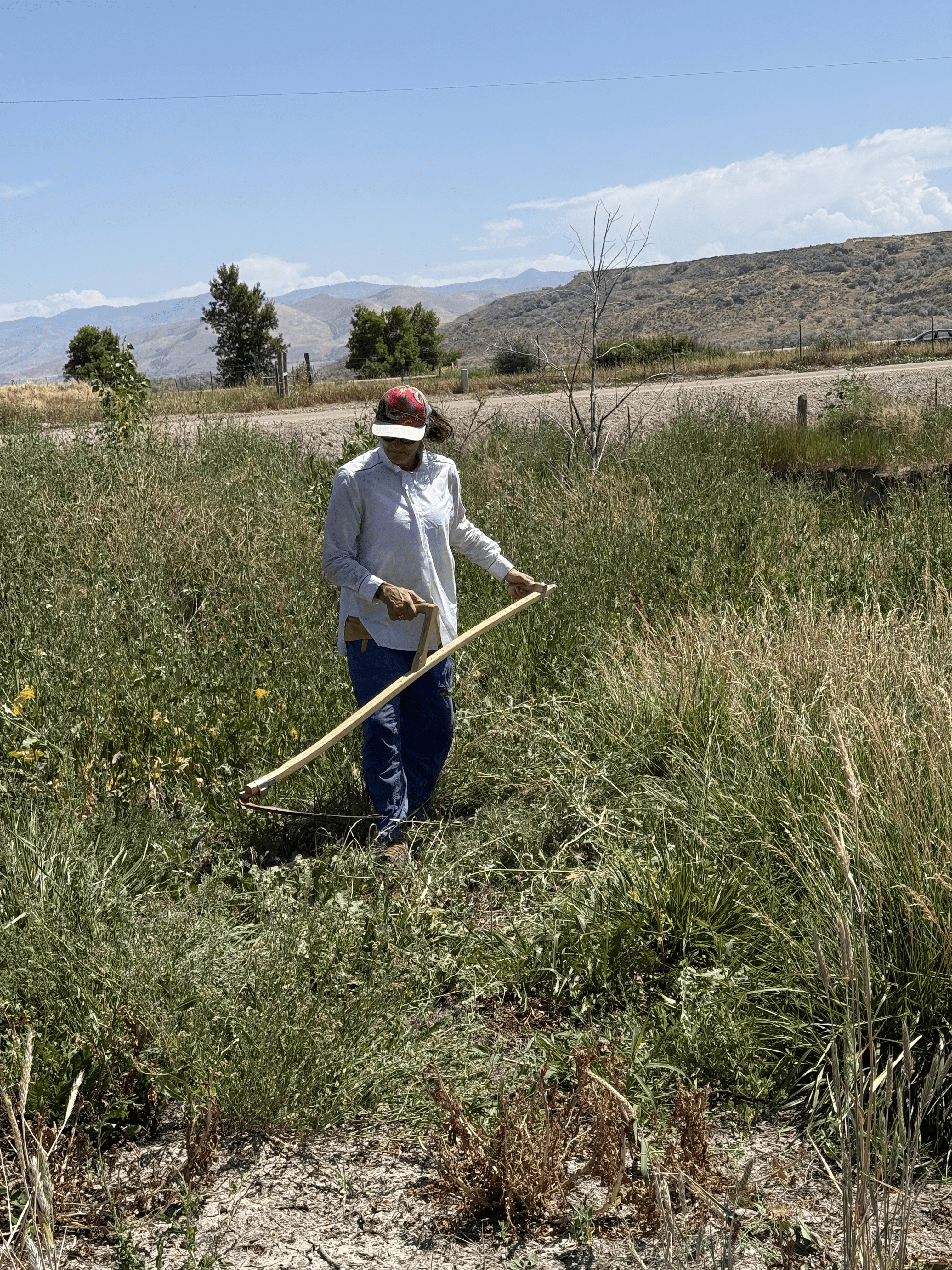
Since buying the property, the Northwest Band has begun a massive project to restore the land. The Band has already planted over 60,000 trees and found artifacts that date back 400 years, before the river was channelized by Mormon settlers.
According to Parry, the process of channelizing the river has caused severe damage to the landscape and even limited how much water ends up in the Great Salt Lake.
“The water quality is just horrendous,” he said, adding that the project, “will have a positive impact on the Great Salt Lake.”
The Northwest Band says the project will return 13,000 acre-feet of water to the lake.
“What we’re doing here at this site is to try to preserve our heritage,” Parry said about the land, which is the site of the nation’s largest massacre of Indigenous people.
The Bear River Massacre
On top of restoring the water system, the Northwest Band also aims to maintain remembrance of a massacre that took over 400 lives of the Shoshone nation in 1863.
According to Darren Parry, a Shoshone tribal member and Brad’s cousin, before the arrival of Mormon Pioneers, northern Utah and southern Idaho belonged to Shoshone Tribe.
“Where people are living now, that was our aboriginal territory,” Brad told ABC4.com.
By 1856, thousands of Pioneers had settled on the land and had already begun to deplete its natural resources.
The late BYU historian, Harold Schindler, wrote in 2012 that tensions began to grow between settlers and the Shoshone, who, “faced with dwindling lands and food sources, had resorted to theft in order to survive.”
“The saints began writing letters to Salt Lake for somebody to come take care of the ‘Indian Problem,’” Darren told ABC4.com, adding that the letters eventually made it to U.S. Soldiers at Fort Douglas.
According to Schindler, on January 29, 1863, soldiers from Fort Douglas attacked a Shoshoni camp on the Bear River near modern-day Preston, Idaho, killing nearly 300 men, women, and children. However, many Shoshone believe the number to be closer to 400, making it the largest massacre of Indigenous people in the history of the U.S.

Fostering understanding
Brad says since beginning the project, he’s heard stories of Mormon settlers who were friends of the Shoshone and were abhorred by what happened during the Bear River Massacre.
Brad says their relationship with the settlers wasn’t always negative. Many, he’s found, were viewed as friends.
“It’s taken two cultures that never shared information, and now they’re sharing information and finding out we had a lot of commonality,” Brad added. “If we know each other’s story then we’ll treat each other better.”
Next week the Northwest Band will begin construction on the river restoration project which is expected to last another two years.
Latest headlines:
- Mosquito abatement district explains how it tests for West Nile virus, gives tips for avoiding bites
- Senate approves more than $180 billion in 2026 funding before August recess
- Sandy man used laser pointer on helicopter, threatened to take down aircrafts, charges say
- Elevated fire threat and dry smoky skies
- Murray Police looking for driver in hit-and-run that left victim in critical condition
Discover more from RSS Feeds Cloud
Subscribe to get the latest posts sent to your email.