

 By rssfeeds-admin
Christmas might be more than seven months away, but Sheryl Nelson’s holiday spirit already keeps taking a hit.
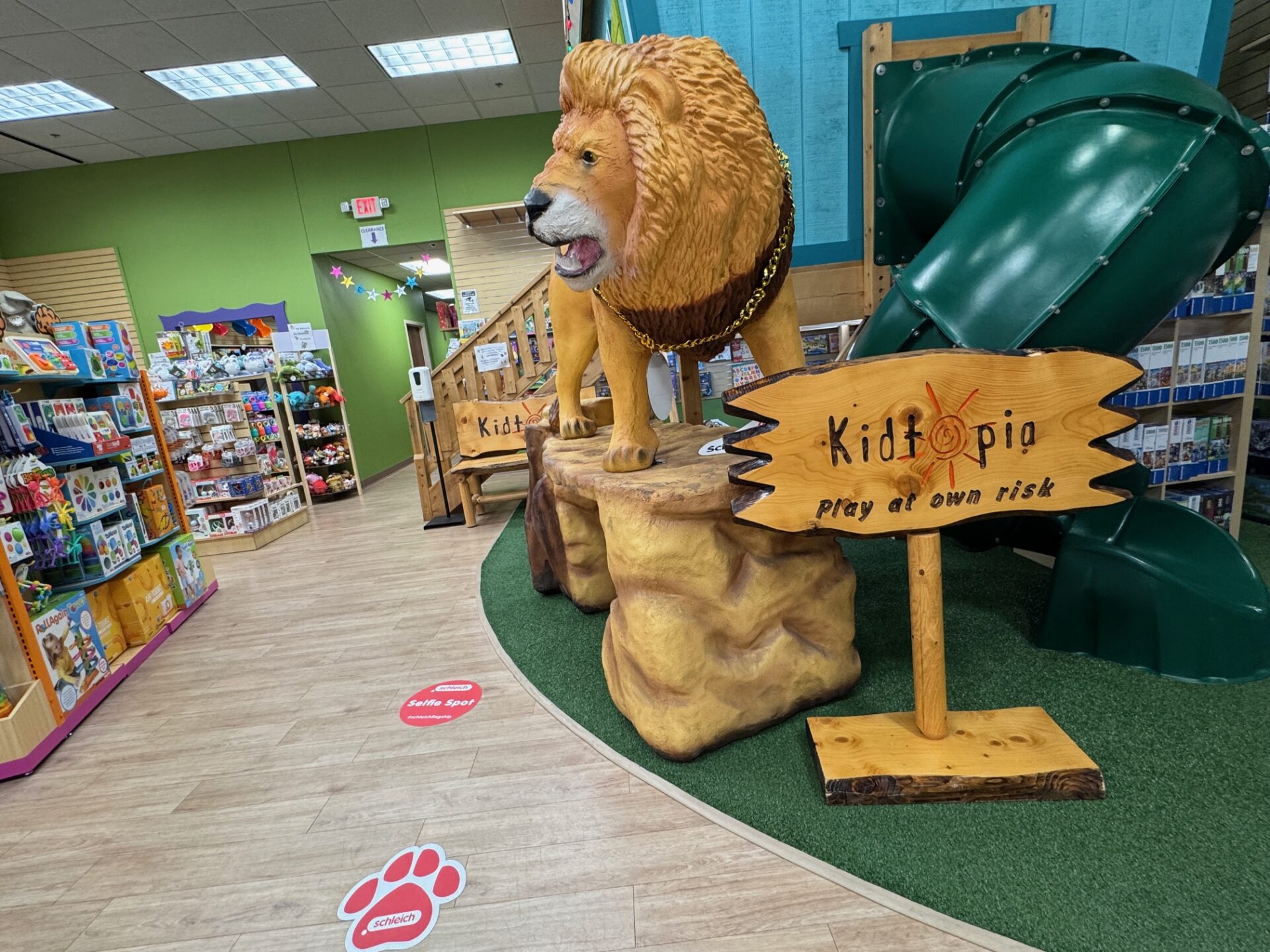
“It’s like every email I get is about tariffs,” said Nelson, owner of Kidtopia. “And its outlook is not good. It’s very bad.”
While the U.S. attempts to overhaul its international trade relationships, the timing couldn’t be worse for a toy store.
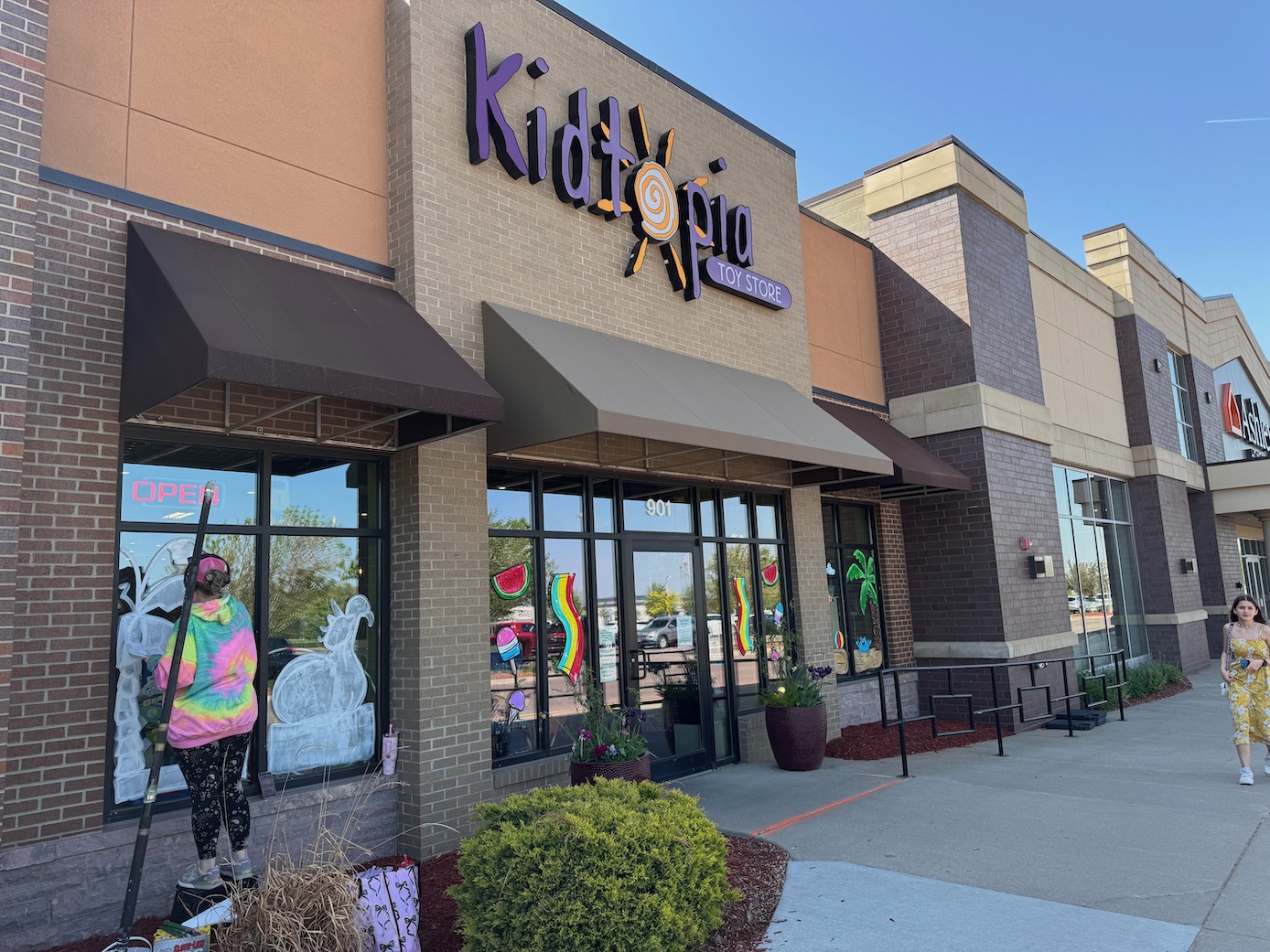
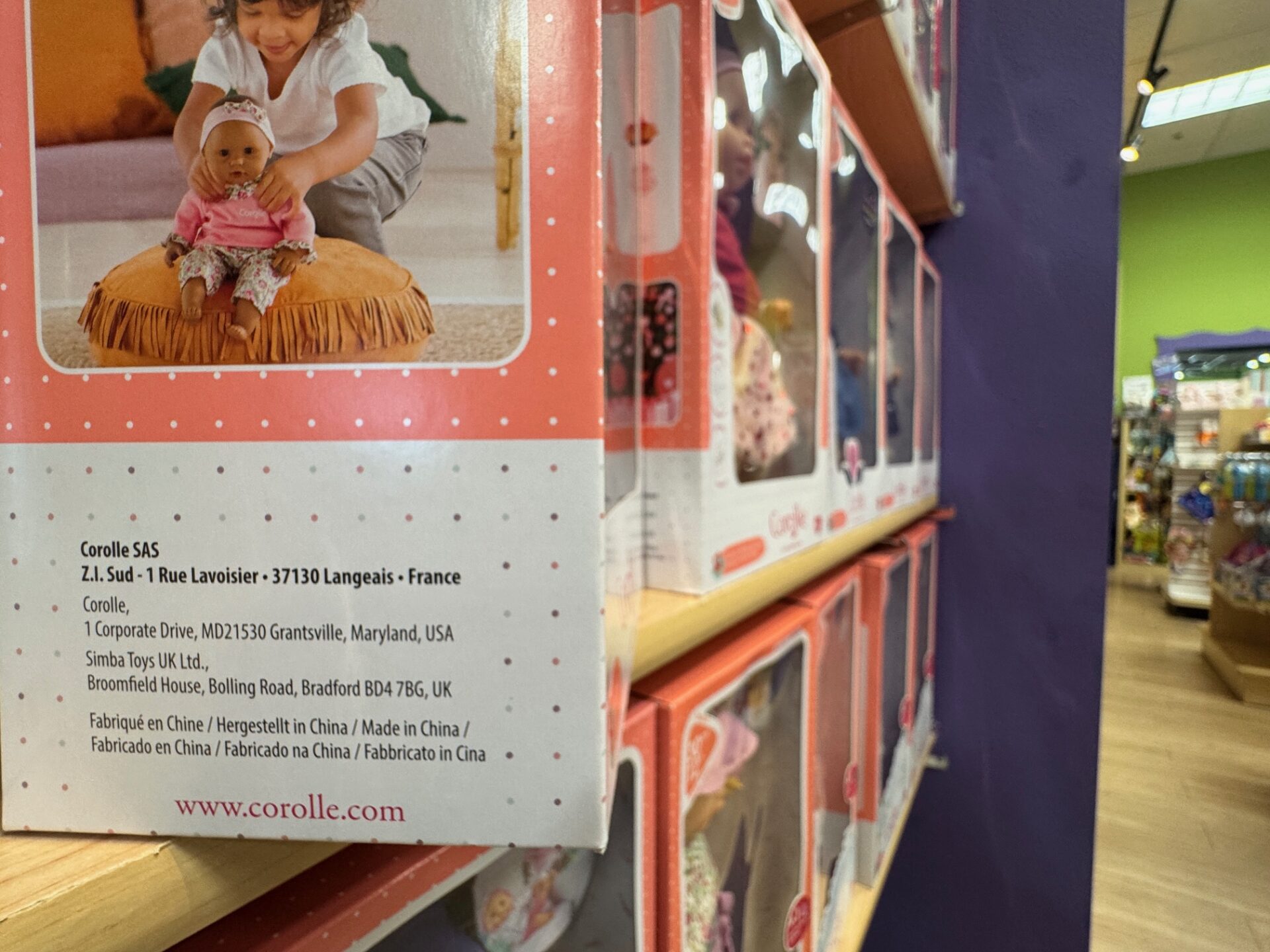
“China produces 85 to 90 percent of the toys, so it’s pretty bleak,” Nelson said. “What I’ve been hearing is manufacturing has basically stopped in China, which is obviously bad because they typically make and are sending products now for Christmas.”
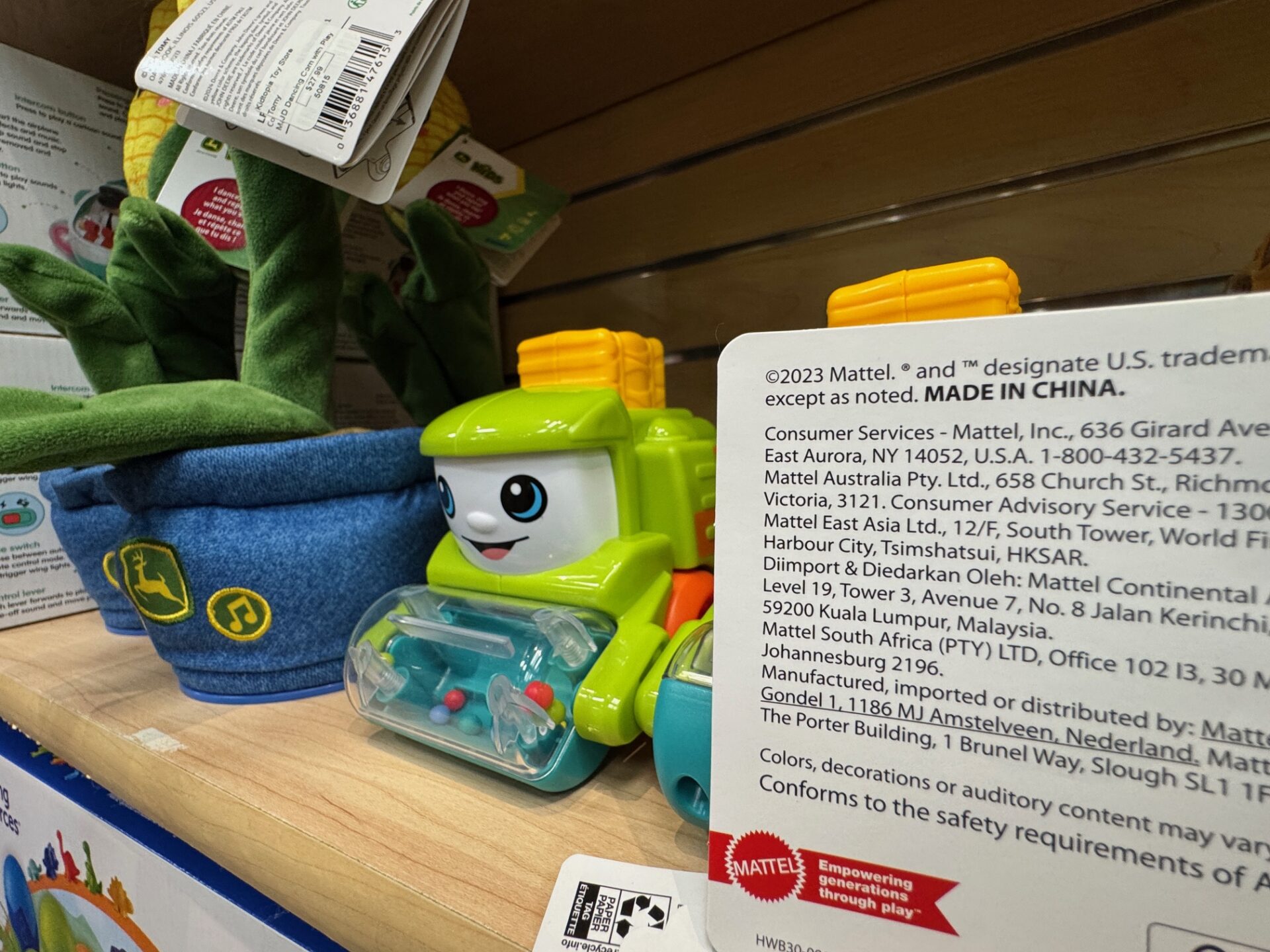
She scrambled to place orders before May 1 when she saw prices from many of her suppliers increase 10 percent to 20 percent, “but we anticipate more,” she said.
Still, a small business has only so much working capital, so much warehouse space and so much confidence. Sales already have trended somewhat down this year, Nelson said. That was before the threat of product shortages and forced price increases.
“It’s just taking it day by day, and that’s what the manufacturers are doing too because nobody knows what to do,” she said. “It’s not a good situation at all. It’s pretty scary.”

Businesses of all sizes in the Sioux Falls area are beginning to feel effects of a trade war with far-reaching implications. Many are attempting to sort through reality from rhetoric as they make short- and long-term decisions.
“It’s a pretty unique situation where it’s everybody in the boat at the same time,” said Chad Martin, principal of transfer pricing services at Eide Bailly LLP.
“I’ve gone from basically 5 percent of my job being customs or tariff-related in January to 30 or 40 percent. It is everywhere.”

This week brought a new twist as the U.S. and China agreed to a 90-day adjustment, bringing U.S. base tariffs from 145 percent down to 30 percent on most Chinese goods and Chinese tariffs on U.S. goods from 125 percent down to 10 percent. The U.S. rate includes a levy related to China’s alleged role in providing fentanyl that has led to a nationwide drug crisis.
“This is welcome news to import/export companies with supply chains touching China but does little to alleviate the fundamental uncertainly in future rate outlook, nor in making strategic supply chain decisions,” Martin said. “Deals like this seem to indicate that tariffs are being used as bargaining chips for more favorable trade terms with other countries rather than an incentive to move manufacturing onshore as some in the administration emphasize.”
Companies that import or export directly are impacted by the changing tariff environment as are those with suppliers who do and even service-related businesses that support various industries, Martin said.
“If we have 100 clients with tariff questions, we have 100 different issues and patterns that are relevant or different for each company,” he said. “Even within companies, different business lines are feeling these effects in different ways.”
The biggest effects he has seen are in agriculture and construction, he said.
“Agriculture is getting hit from both sides. Input costs have gone way up because of steel and automotive, especially the China reciprocal tariffs, so it’s more expensive to run their business. On the commodity side, the demand side, they have one of their biggest markets wiped out. Chinese ag exports have been just decimated.”
That will have a ripple effect in industries such as banking and insurance, he added.
“This isn’t something that’s going to snap back into place if the administration lifts tariffs tomorrow because they’re reevaluating their sources,” Martin said. “There are going to be Brazilian suppliers that benefit, and those are longer-term contracts.”
Construction companies also are seeing price increases on everything from steel and aluminum to plastics sourced in China, he said.
“They’re having this massive spike on the construction side, and they’re (sometimes) locked into long-term pricing on the revenue side, and this is happening in tandem with policy changes. There’s uncertainty in the labor market with immigration, it’s a higher interest rate environment, so it’s coming from all sides in the construction industry.”
The wholesale perspective
The U.S. and China might do almost $600 billion in annual trade together, but for Gameday Social owner Jael Thorpe, it’s represented by one relationship: The one she has had with a small family-owned factory in Ningbo, a town north of Shanghai, for more than five years.
“It’s a small factory, and we’re a huge part of their business,” said Thorpe, whose company specializes in fashion-oriented collegiate apparel.
About a month ago, she informed the owner who had cheered her business on for years that she had to pull back on working with his.

“It’s just so emotional. Volatile. I think just the weight of the humanness of it,” she said. “We have this belief in the U.S. that these Chinese manufacturers are all using questionable labor, and I think we villainize a lot these manufacturers just due to the leadership. There are really lovely small companies like this small manufacturer. They’ve been a critical partner.”
Still about a year ago, she began diversifying to India as tensions with China brewed. She’s also looking at manufacturing in Pakistan and Cambodia.
“But we can’t stand that up in a month,” she said. “That’s an extensive process. Everybody thinks we buy everything from China cheap, but the manufacturing technology they have is so sophisticated that a lot of what we do can’t be done other places.”

She has hired a trade attorney to help navigate the process. Long term, she’s hopeful that competition for boutique clothiers might ease some as the U.S. raises the barrier for entry to companies such as Shein and Temu that have captured a share of the market.
“I do believe there will be some valuable outcomes long term,” she said. “It’s just very painful right now, and U.S. companies will fold because there will just be companies that can’t navigate this or cash flow it.”
At Sioux Falls-based JDS Industries, which is the world’s largest supplier of awards, recognition, personalization and signage products, about 60 percent of products are imported, and the majority of those are from China.
“So it has a very big impact on us,” CEO Scott Sletten said.

On $1 million in product, the company previously paid on average $50,000 in tariffs. A recent increase in rates with China to 20 percent meant the bill rose $200,000. At 145 percent, where rates had gone before this week’s negotiation, it would have been $1.45 million to import that same $1 million in product.
Many companies, including JDS, have stopped all new orders and are not allowing anything to be booked or shipped from China for now, he said, hedging bets that the rate will come down and attempting to ensure they don’t have to more than double prices.

Sletten had hoped for an approach like the one that was negotiated — a more reasonable rate “while they work on a larger agreement that will likely take much more time,” he said. “This will still be a very high rate, but will probably allow many companies to start shipping goods being held.”
JDS moved a few items to other countries in the past year as relations with China deteriorated.

“We are also requoting a few things in the U.S. now and are hopeful a few items can be moved back to made in the U.S.,” Sletten said.
Sletten sent a detailed letter to JDS clients earlier this month explaining the situation and received positive feedback for his transparency, he said.
“Do not assume anything you buy from a domestic supplier will stay the same price this year. We are getting price increase announcements every week from domestic suppliers as well,” he said.
“In many cases, there is a foreign component to a product or something needed to manufacture a product comes from overseas and has gone up in price. Many chemicals needed to make adhesives, paints and coatings on products come from overseas so are impacted. Most domestic price increases will be smaller though, depending on the foreign content of a product.”
The volume of containers leaving China reportedly has dropped 60 percent already, he added. That means little inventory is on the way and product shortages could follow.
“If an agreement happens in the next two weeks for example, I think it will take two to three months to find room on ships to get all of this backlog of product shipped,” Sletten said.
“If there is not an agreement for two months or more, the backlog will likely take six months or more to ship, which will mean widespread product outages like we saw during COVID. This backlog and surge in shipping is also likely to cause container rates to increase dramatically as all companies want their products shipped as soon as possible, and then it is just a supply versus demand imbalance, which will cause prices to increase.”
Navigating retail
Every day, Maxwell Food Equipment owner and president Larry Werner checks a computer program that tracks pricing for his customers’ projects. Prices that have gone up overnight are shown in red.
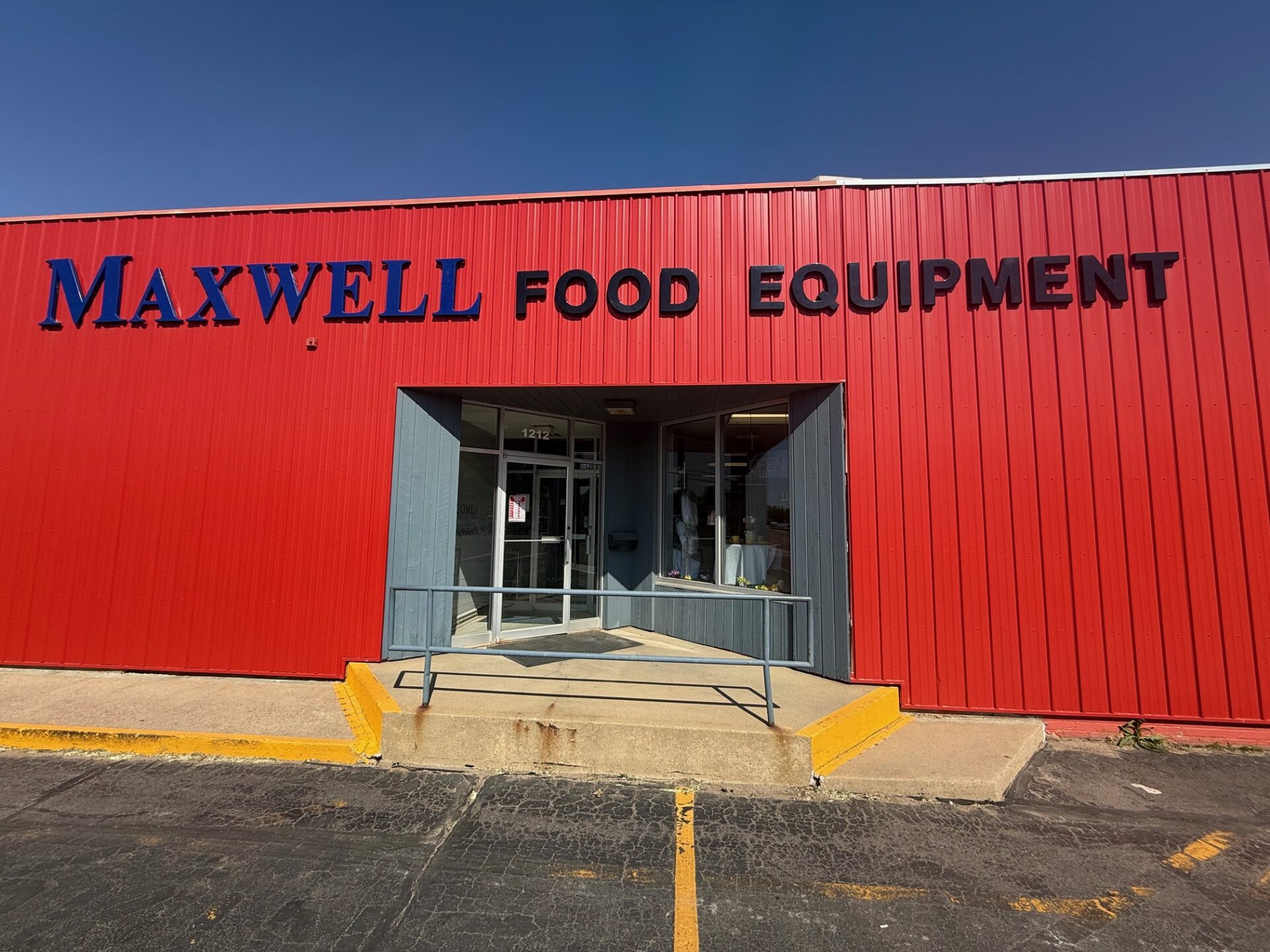
“Normally, I do this Jan. 1 and Feb. 1 for big increases, and now I never know when I turn a project on,” he said. “I can sell a project for $150,000, and that’s what it was on April 1, but not what it is today.”
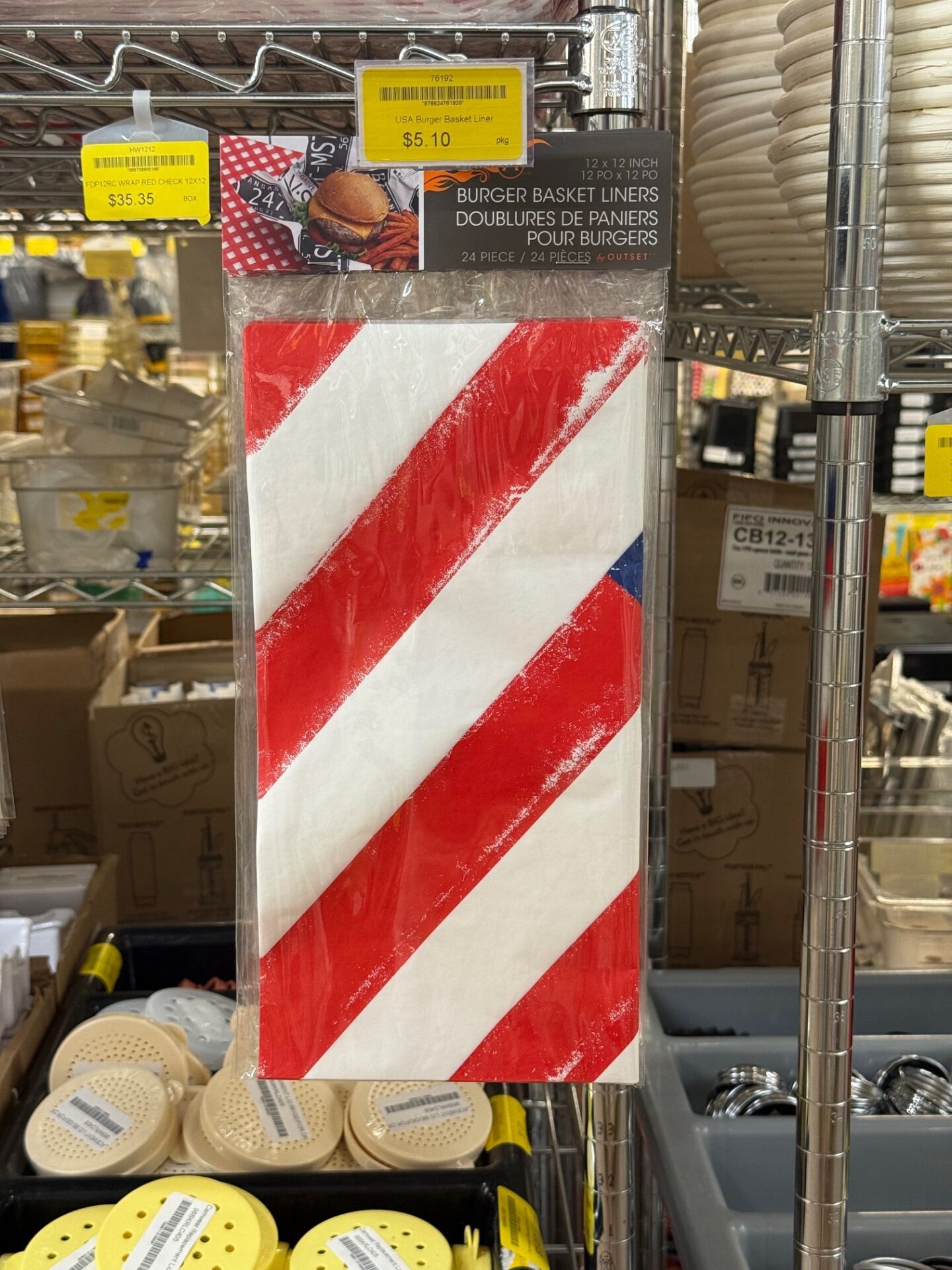
Werner has stores in Sioux Falls; Marshall, Minnesota; and Spencer, Iowa; that sell food-related equipment and products to both restaurants and residential customers.
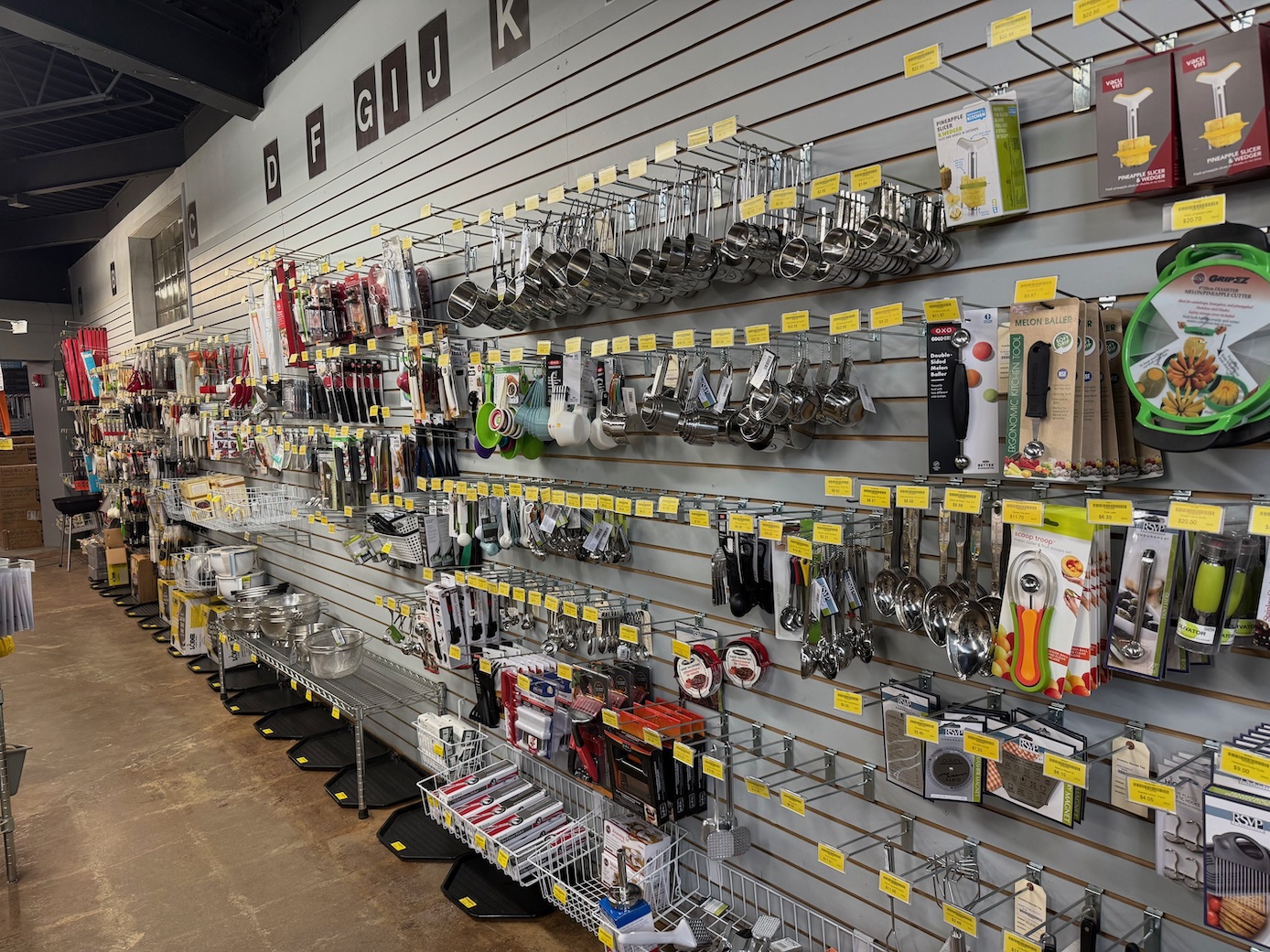
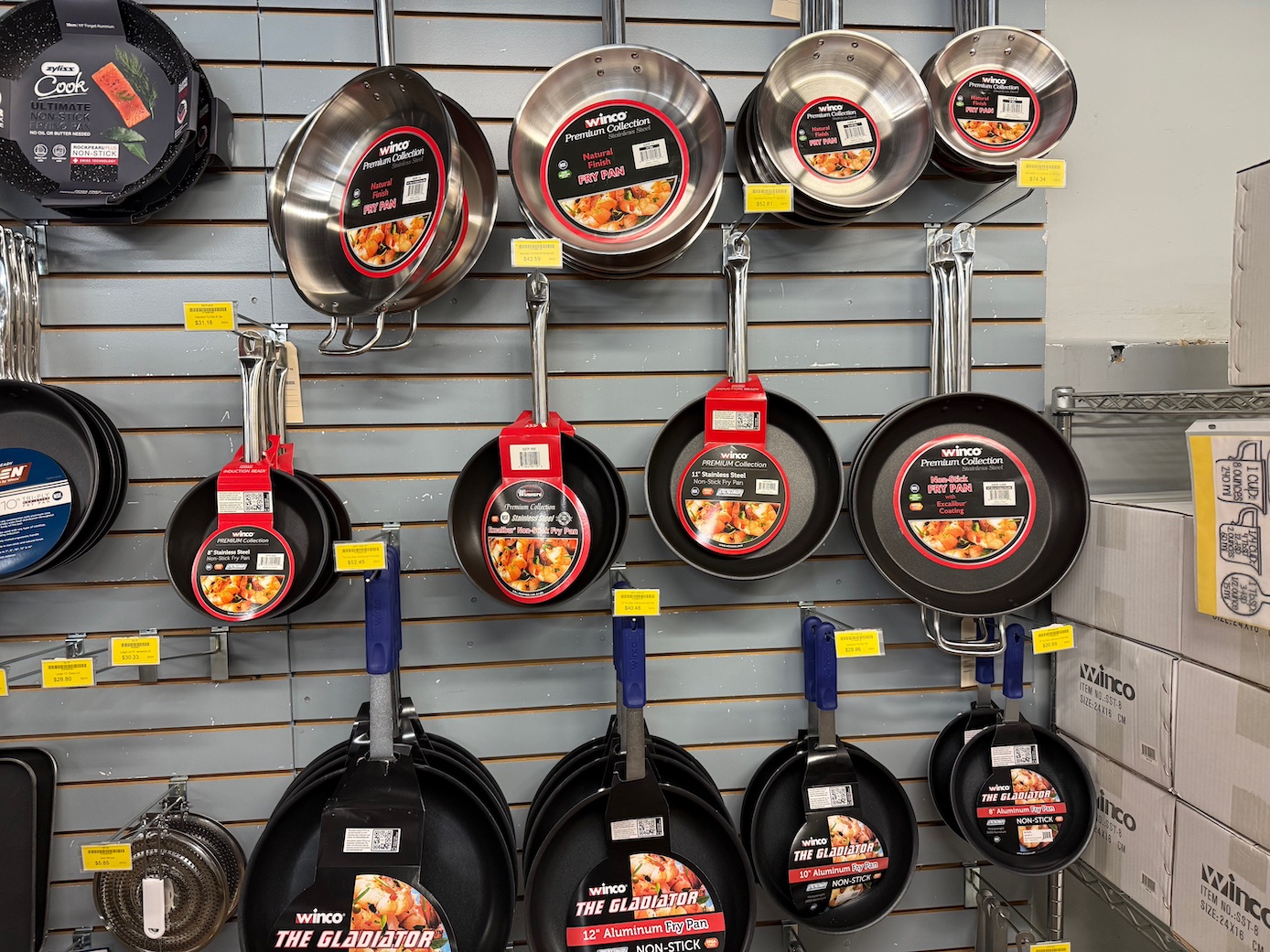
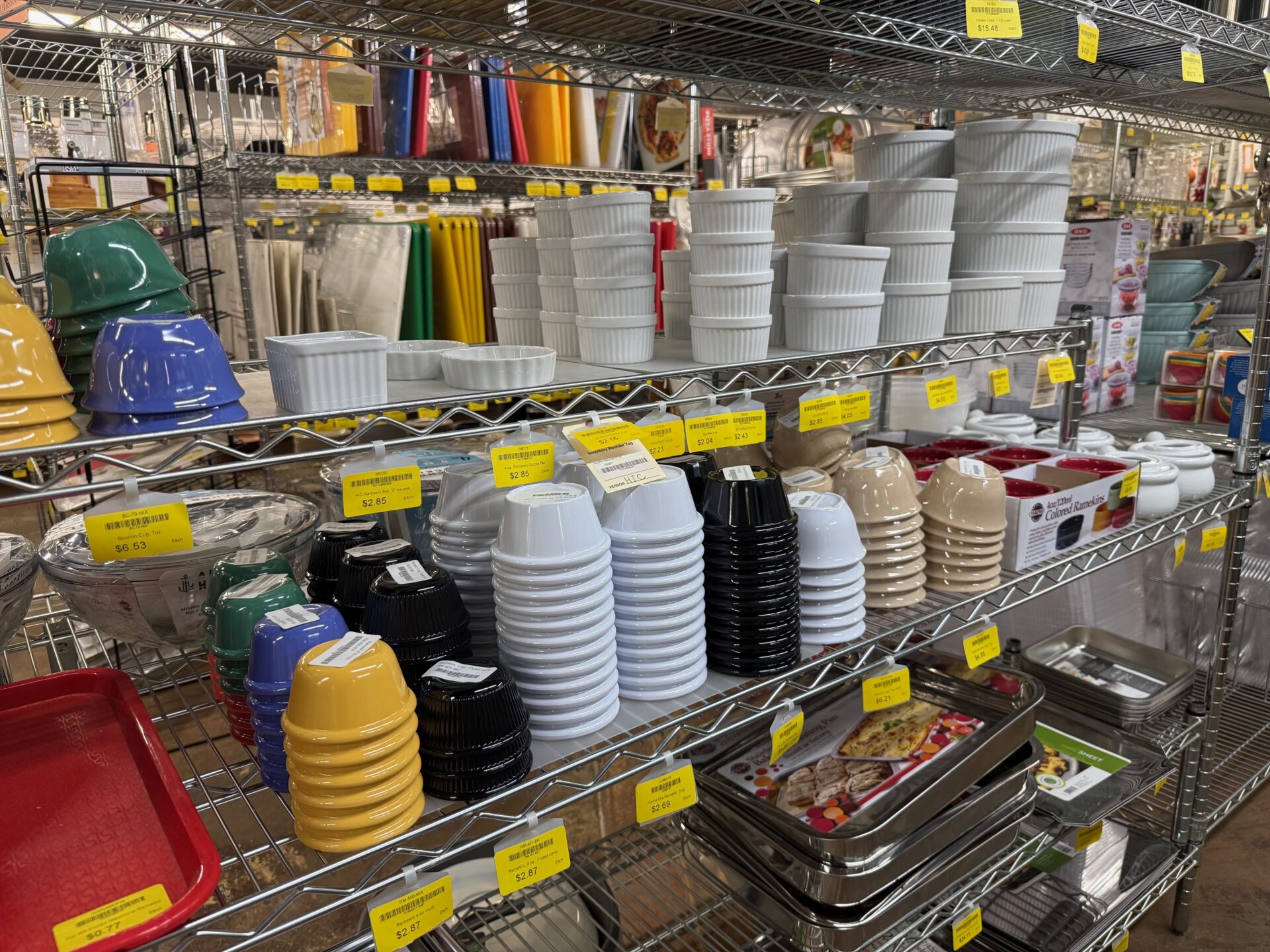
“Fifty percent of my equipment is imported — my stainless steel … sinks, tables, miscellaneous tableware is all imported,” Werner said. “Prices just on tables changed over $3,000 in one day. Most of my furniture comes from Taiwan, and that went up 80 percent. A barstool a month ago was $100, and now it’s $160. How would you like to buy 150 of those for a restaurant?”
He’s in the process of closing his store in Watertown and will shift some of that existing inventory to his other locations.
Maxwell is guaranteeing prices for 30 days, but after that, “it’s subject to change due to tariff issues,” Werner said, adding that his suppliers are absorbing some of the increases for now.
“Maybe they’re waiting for it to calm down because price changes are no fun in our world. It’s labor-intensive,” he said.
Larger retailers report less of an immediate impact.
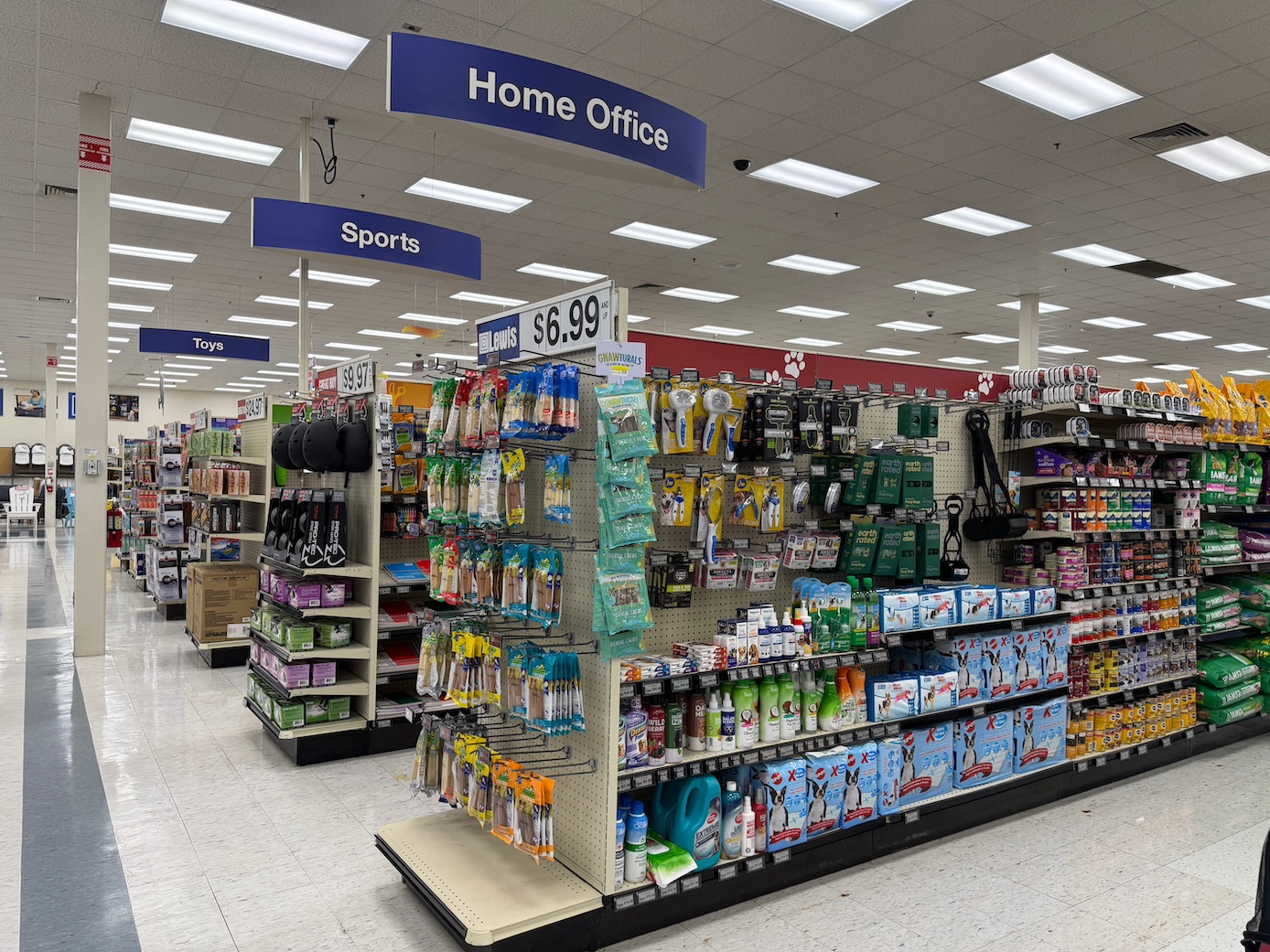
Lewis Drug CEO Mark Griffin recently attended an annual industry event that draws the biggest names in retail, and the mantra was consistent: “It’s too soon to tell,” he said.
“Some of us, including Lewis, bought forward, and that’s been a real help, and we’re hanging in rather well right now, especially with the garden shop kicking in, but we foresaw some of this.”

Lewis ordered ahead on basic items in categories including health and beauty, toys, and lawn and garden, he said. He estimates that the raw materials for 85 percent of medications are produced in China, then shipped to India for packaging.
“I wish I knew more. I wish everybody knew, but we just don’t yet,” he said. “We had 2,000 people there, and it was the top of the industry, and they’re cautiously optimistic … maybe his (Trump’s) wheeling and dealing will turn out in the long term, but it’s going to take short-term pain, and we’re doing our best to prevent our customers from feeling that short-term pain.”
At Montgomery’s, president Eric Sinclair just returned from a major furniture industry show in North Carolina that involved many conversations with manufacturers and importers.
“I would say for most of them it was pretty much business as usual,” he said. “They don’t know what the future might bring, but one of the interesting parts of the home furnishings industry is we’re sourcing product from all over the globe. These manufacturers have gotten good at mothballing their facilities and moving and opening again. It’s amazing the speed at which they can do it.”

There could be “some minor hiccups,” but “they just pivot, so it really hasn’t been a thing yet,” he said. “We are tariff-free on millions of dollars in in-stock goods. We’ve made sure to hedge our bets to have a lot of stock.”
Back at Kidtopia, Nelson is hoping that her industry’s trade associations will make some traction as they advocate in Washington, D.C. The most dire predications are that trade-related barriers could cause up to half of manufacturers and toy store owners to go out of business. Making toys in the U.S. isn’t the answer, she added.
“It would take three to five years to get that industry started in America, and even then the toys would be so high-priced we couldn’t afford them anyway,” she said.
Even if conditions started to turn around today, ramping up production and logistics overseas won’t happen overnight, Nelson said.
“Even if it does start back up, they predict the containers that will come out of China will be so high-priced, and it will be everybody scrambling to get them filled and out,” she said. “It’s going to be so slow to get the industry back, and Christmas is going to look pretty bleak for the toy industry and for us too.”
To learn more
Martin advises businesses to start by focusing more on contractual and financial supply chain mitigation than physical supply chain mitigation, which can require significant investment and time.
“So the tools available to you often fall in the category of how can we look at our customs coding classifications, our product classifications for impact,” he said. “It can allow you to declare a value more closely. If we’re talking double- and triple-digit duty rates, that can be millions and millions of dollars by making a simple valuation change.”
There are three people “who always need to be at the table,” he added. “Someone from supply chain, someone from finance and someone from legal. You cannot do any of this planning in a silo.”
Eide Bailly will host a webinar at noon Thursday called Navigating Tariffs: Strategies and Solutions for Your Business. Its team will offer insight on how to effectively navigate tariff-related issues and cover key topics such as understanding tariff effects on operations, risk mitigation strategies and sharing actionable solutions. Register here.
The post ‘It’s pretty bleak’: Businesses of all sizes attempt to navigate changing trade wars appeared first on SiouxFalls.Business.
Discover more from RSS Feeds Cloud
Subscribe to get the latest posts sent to your email.