

 By rssfeeds-admin
I generally get to share stories about the best of our community.
My version of downtown is a place filled with historic buildings, new towers, independent businesses and an increasingly vibrant riverfront.
But today, I want to show you another side of downtown.
The one about as far from those tall buildings and upscale establishments as you can get.
So come with me for a moment, and see what we found last week in search of photos for a story about the outcome of our state’s annual homeless count.
This is the ground level of homelessness in Sioux Falls.
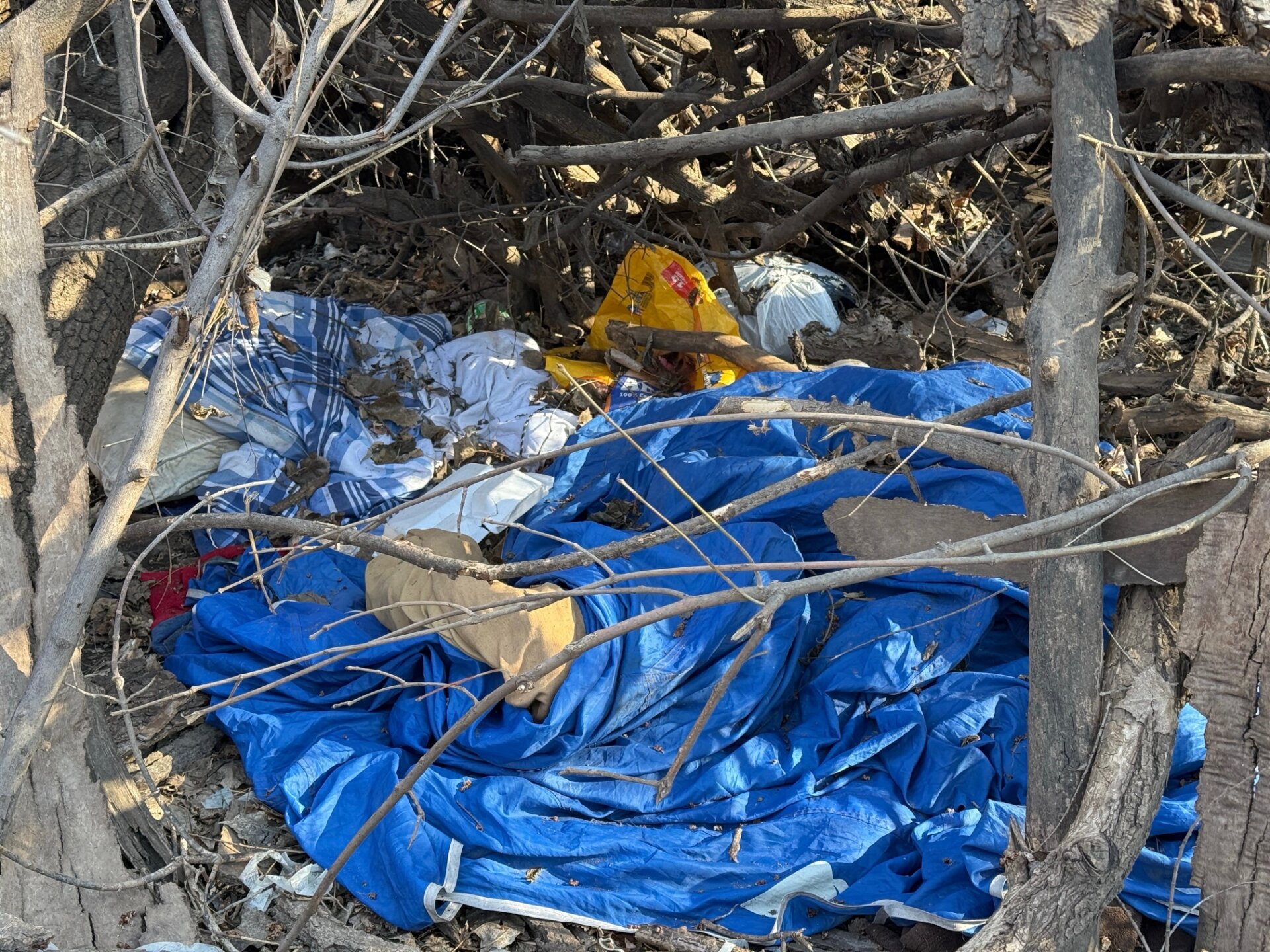
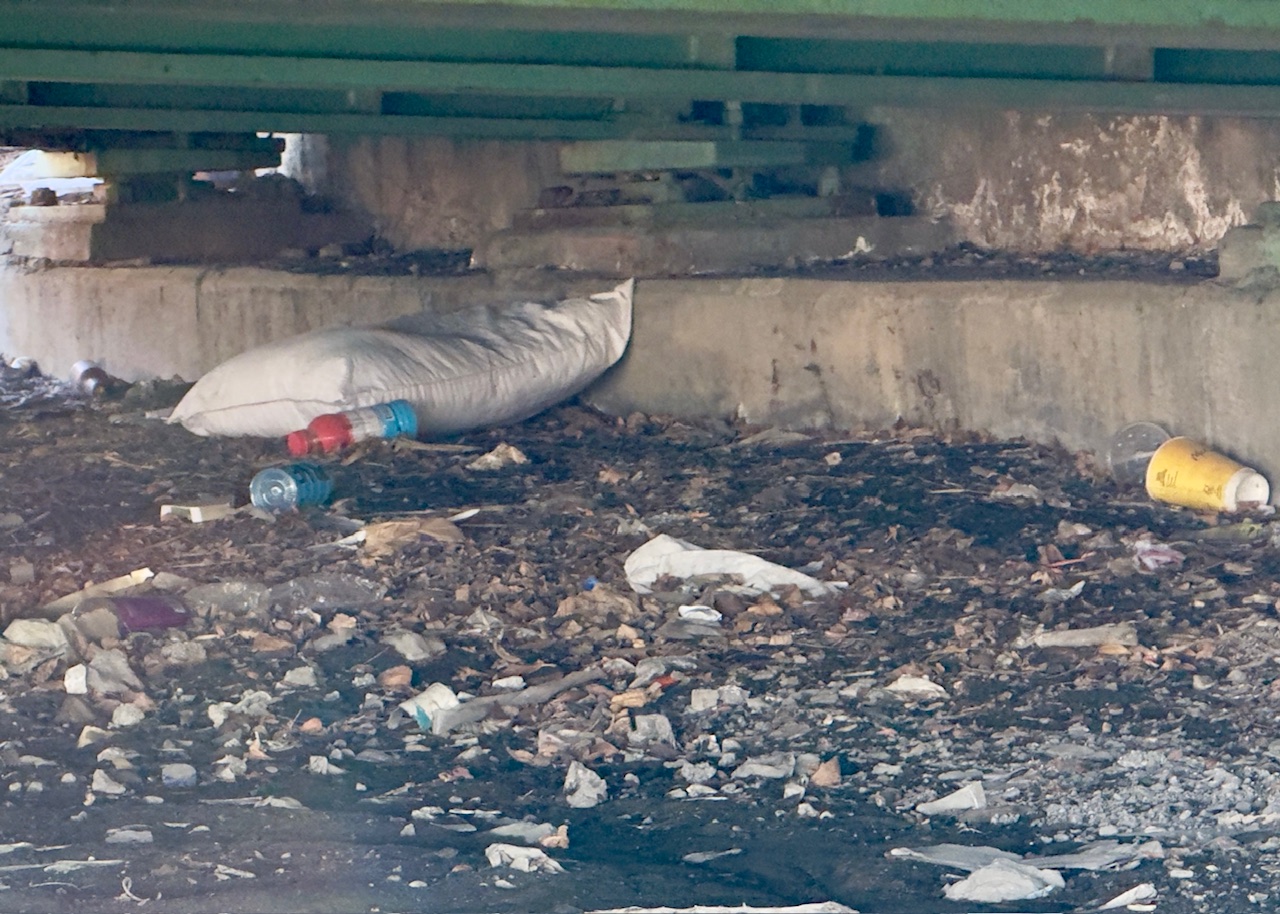
These are the places — sometimes just feet from where you and I walk, ride our bikes and admire the landscape — where people are living.
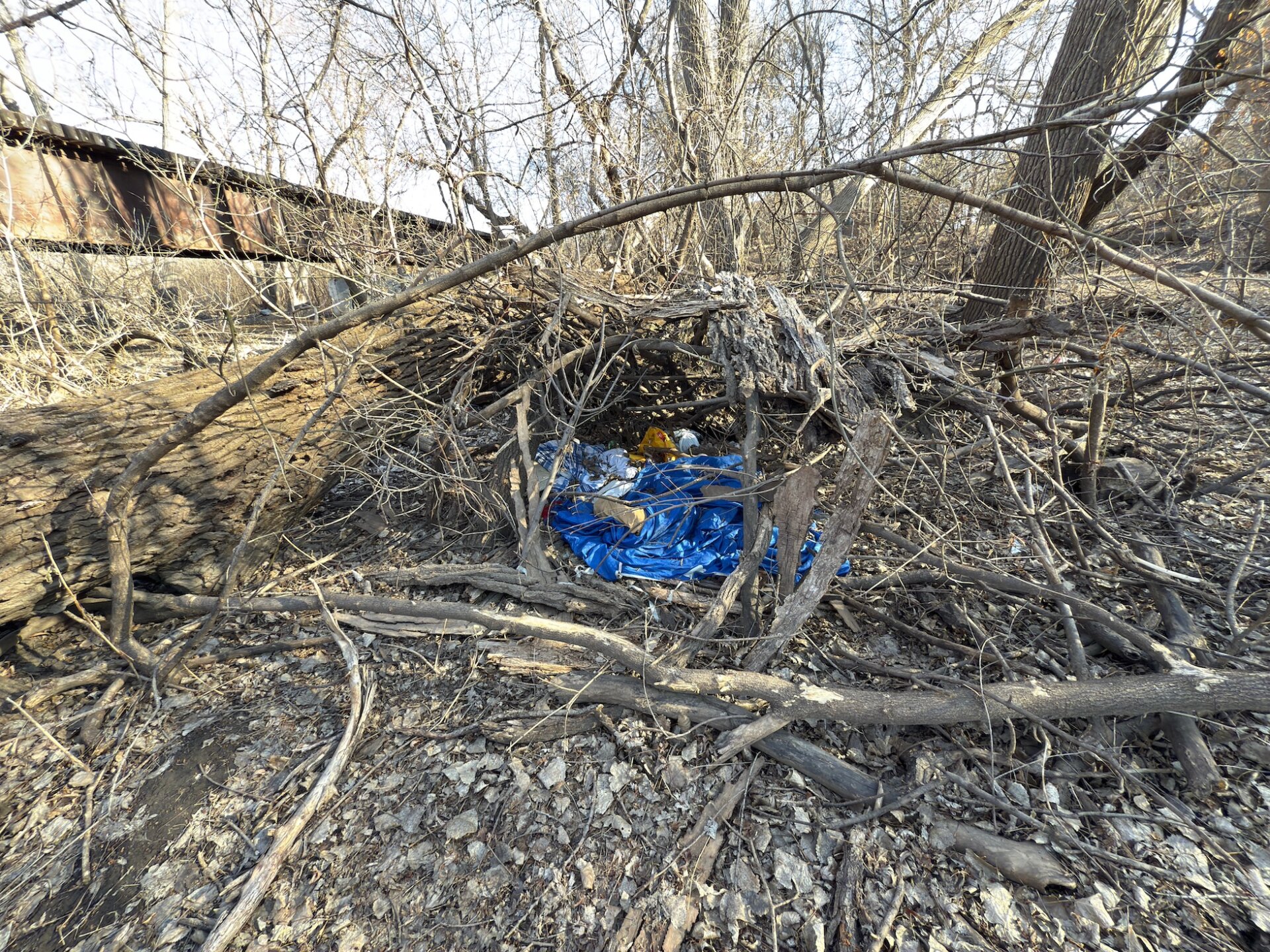
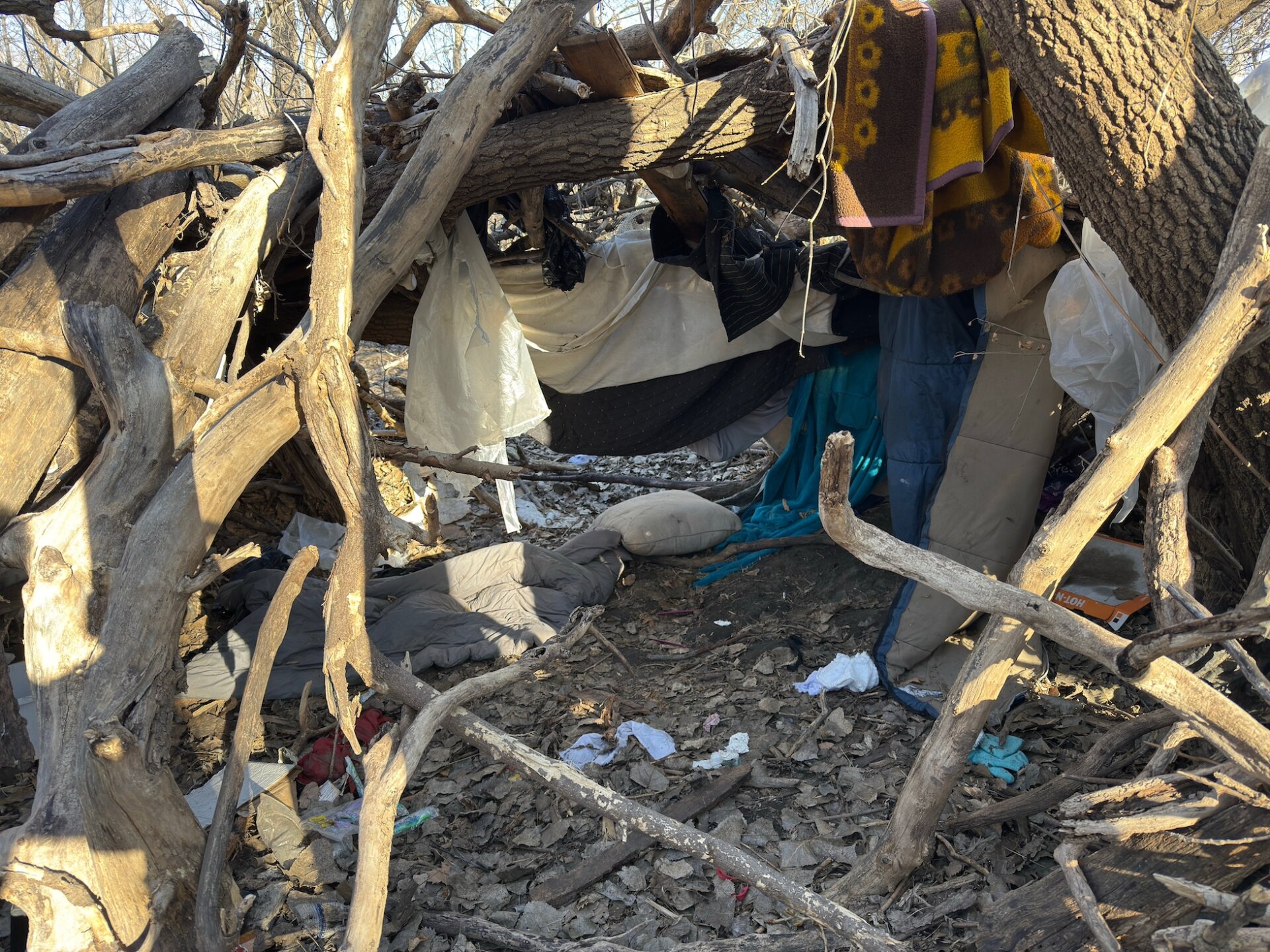
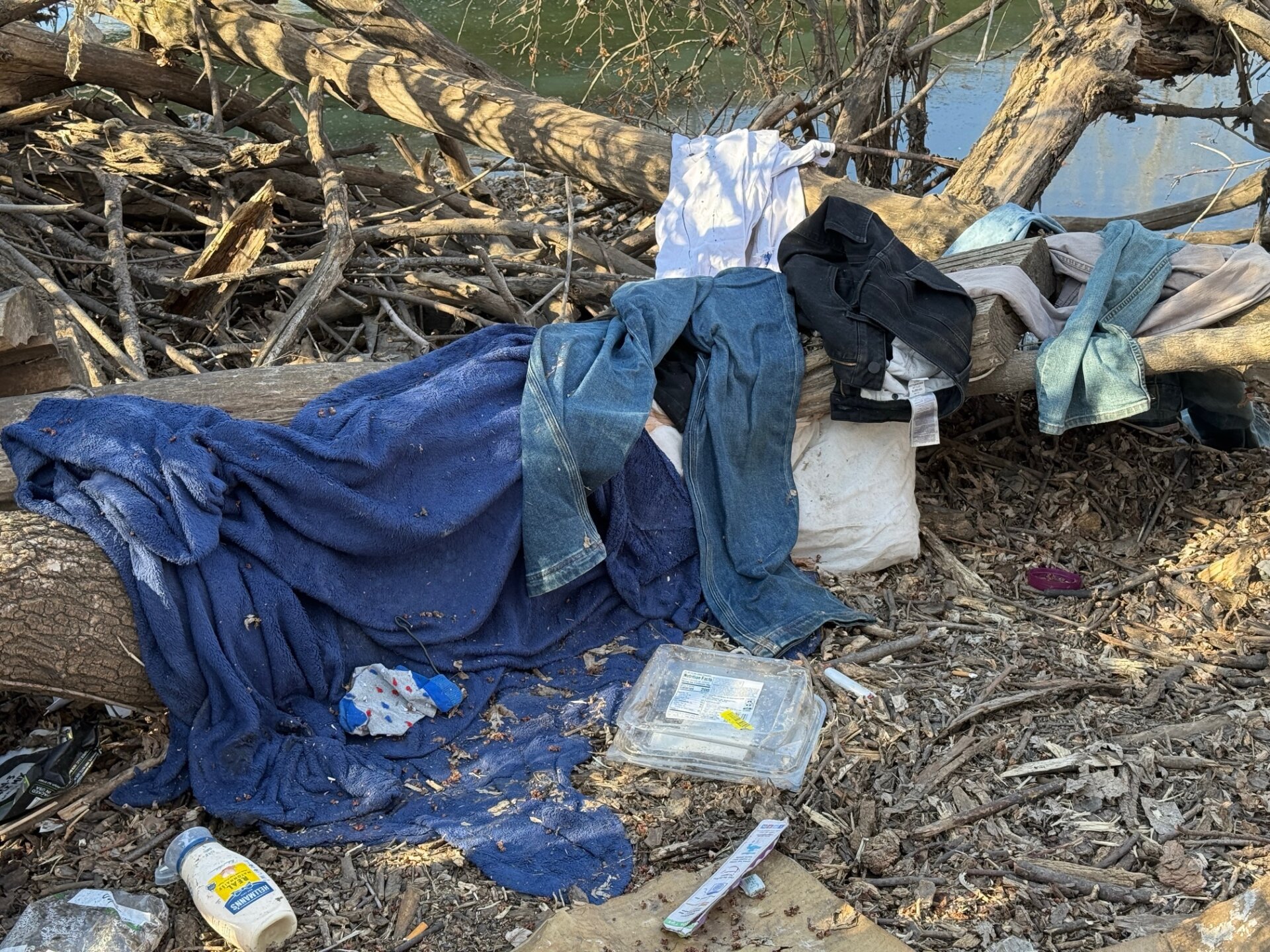
Look closely and you can see that among the trees, people have fashioned makeshift shelters. We were careful not to disturb anything, but you can see clothing, bedding, packaging from food, empty cans and bottles.
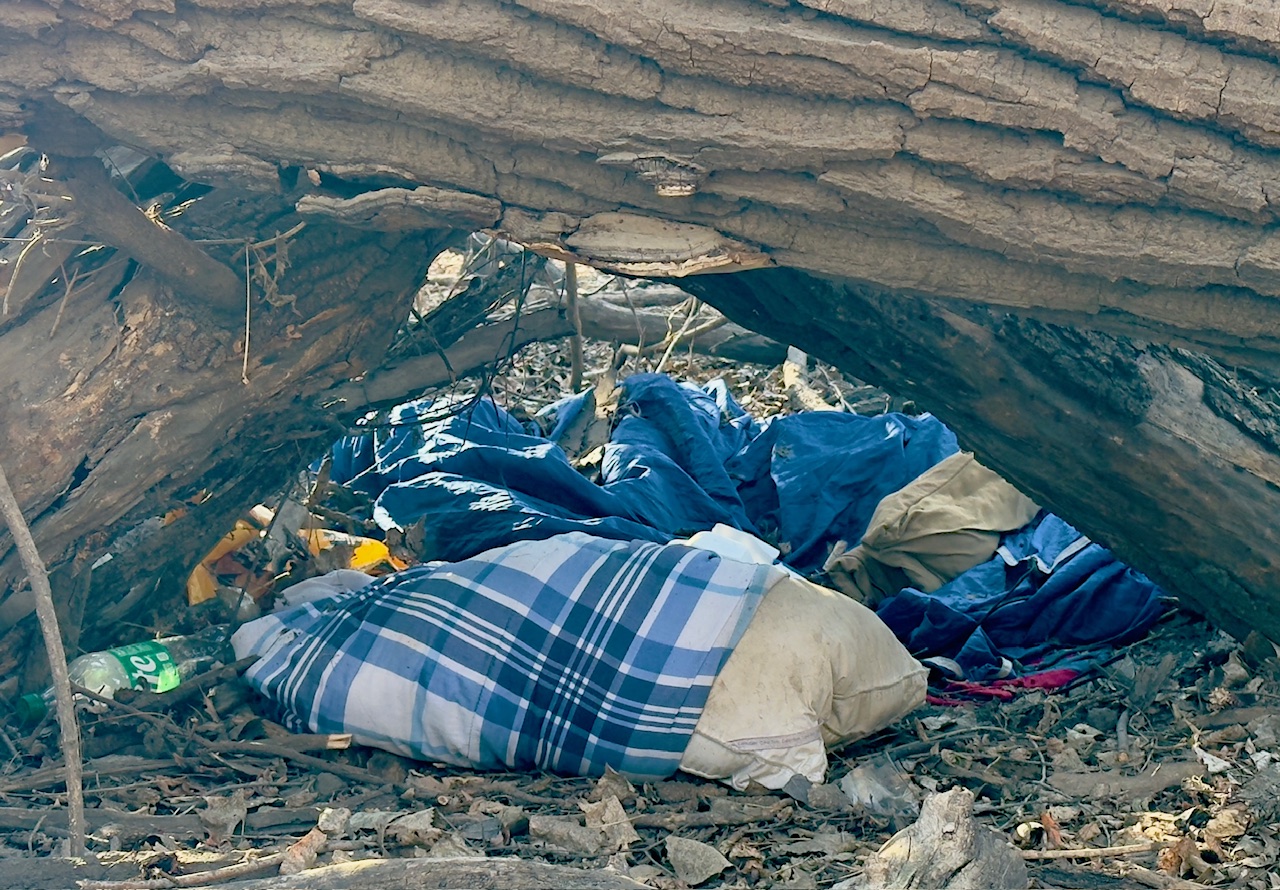
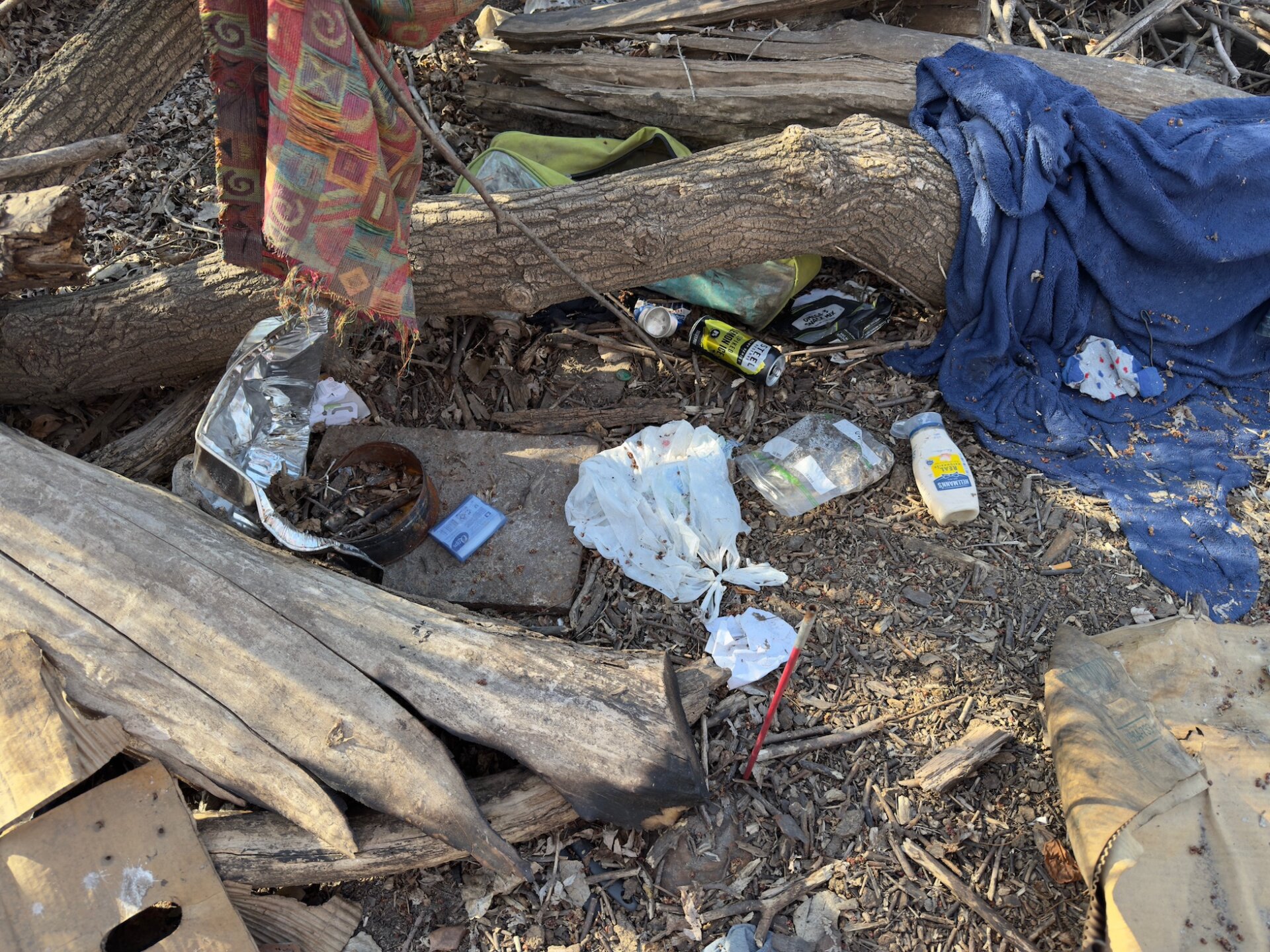
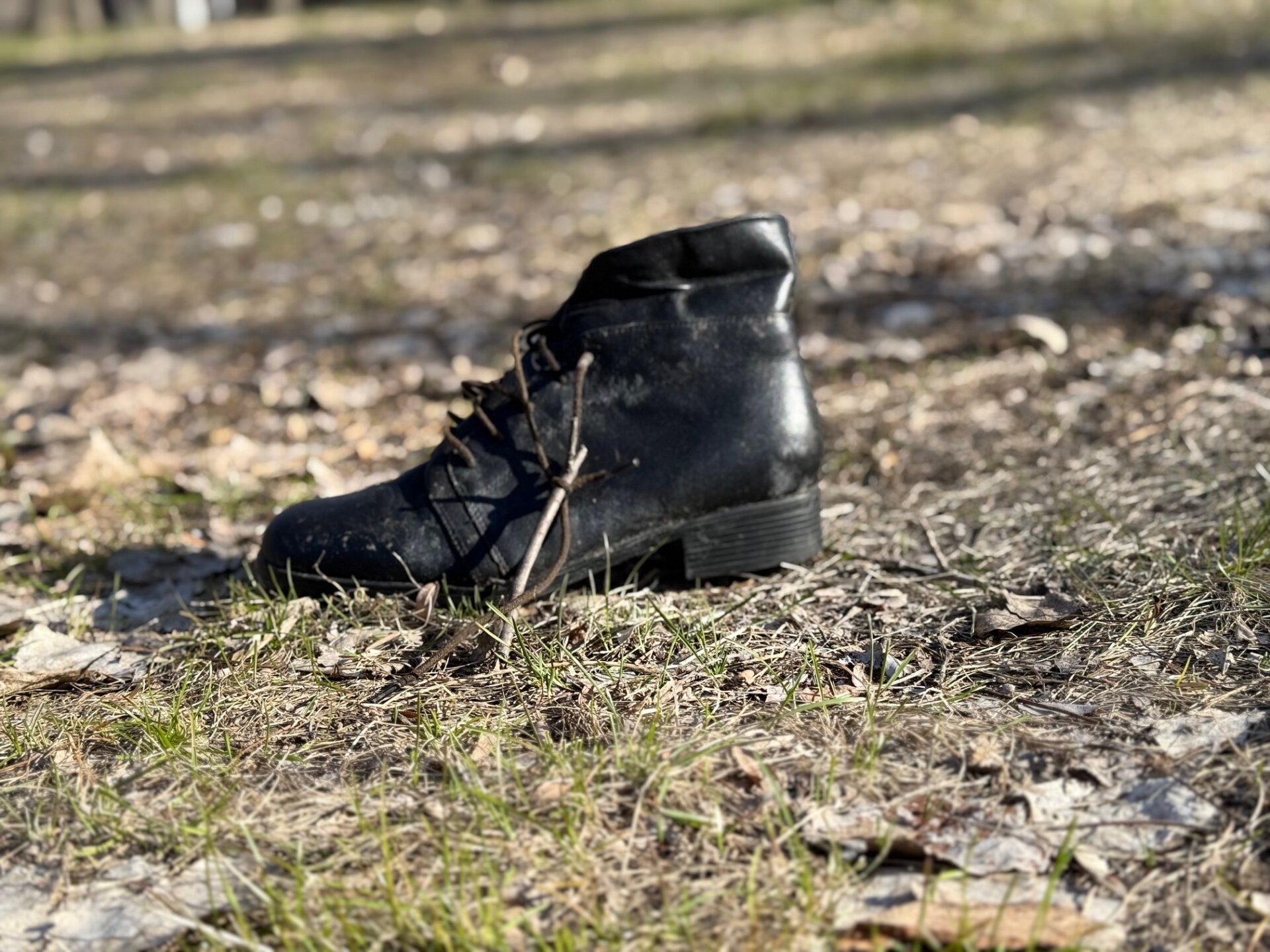

Our approximately two-hour walk along the river revealed multiple areas like this, where it’s clear people have been living despite temperatures that overnight still have not been close to warm.
I suspect none of this would come as news to those who made extra outreach in January to try to arrive at a number as accurate as possible for the annual count.
It resulted in 614 homeless individuals counted in Sioux Falls, consistent with 610 last year. The number of unsheltered grew to 60 from 37 last year.

“We had a stronger outreach effort this year than in the past, and we had outreach teams with experience and relationships in the community doing the count,” said Suzanne Smith, associate vice president for enterprise data analytics at Augustana University and the Augustana Research Institute, who serves as regional coordinator for Sioux Falls.
“That helps ensure we find people who should be counted and are able to survey and count them because there’s a basis of trust built up.”
That also allowed those doing the outreach to further connect with people living outside, said Michelle Treasure, the city’s homeless coordinator.
“The message was “we’re not going to kick you out and take your stuff, but you have to come up with a plan,” she said, adding that the count this year was during a warmer January week, which allowed the team to tell people “it’s going to get cold; we’re really worried about you. Here are your points of contact.”
Then, they came back a week later “and just kept talking to these people, and it actually worked out really well,” she said. “A lot of people who are unsheltered don’t love the idea of being housed. Not all of them are in that situation, but a lot of them have zero desire.”
Still, it’s impossible for me to look at these scenes and not be moved to see what more might be done, which is why I showed them to you too.
It’s also why I called Angie Walker, who serves as the homeless program manager for the city of Rockford, Illinois.
I learned about Rockford during the extensive public input given when the city considered installing a fence around a parking lot adjacent to the Bishop Dudley Hospitality House.
After listening to those closest to the situation, I felt the fence was an appropriate measure.
But I also was intrigued by the reference to Rockford as a model community, and fortunately Walker was willing to take a random interview request from me.
Rockford and Sioux Falls aren’t that different in population. The northern Illinois community is about 90 miles west of Chicago and counts about 150,000 residents. The two-county area served by Walker’s office is about 350,000.
Rockford made national headlines beginning several years ago because it reached “functional zero” with its chronic homeless and veteran homeless populations.
In 2014, the community had been working toward a “coordinated entry system” that was to be required by the U.S. Department of Housing and Urban Development. At the same time, a fire from a heater killed three men who were homeless and living in a shed.
While the government delayed its requirements, Rockford pushed forward anyway and also joined the national Built for Zero movement, which aims to end homelessness and the conditions that create it.
The community reached functional zero by 2017 for its chronic population, meaning essentially that being homeless is considered rare, brief and not recurring. Someone is considered chronically homeless if the person has experienced homelessness for 12 consecutive months or has had four episodes of homelessness in the past three years that add up to 12 months or longer, along with a diagnosed disability.
So how did those in Rockford do it? It starts at the so-called “front door.”
That’s Walker’s office, where she and a team of eight have become the area’s central entry point for someone experiencing homelessness.
“We’re a small-enough community and our homeless population is small enough, we can do it out of one place and make it be more efficient,” she told me.
“People come into our office pretty much anytime. If someone is staying in a shelter, we can verify status there, we do an intake and place them on our list. If there’s someone we don’t know of sleeping in an unverified place, an abandoned building or in the woods, we put them on an outreach list and send our outreach team out.”
Her office maintains a list of names. Once a name is on the list, the team helps determine the best course out of experiencing homelessness.
In 2022, Rockford reported 406 homeless individuals, including 61 unsheltered.
I asked Walker an obvious question: As Rockford has become nationally recognized for its homeless services, has the area attracted more people in need of those services?
While other areas have sent people to Rockford — as they do to Sioux Falls — Walker tells new residents that, yes, Rockford has great services. “But there’s 100 residents ahead of you on the list,” she might say. “So we really talk to people about ‘Where do you have a support system?’”
Someone might ask to go to Florida because it’s warmer. That’s a no.
“But if I can call your mom (in Florida) and your mom is saying she’s been waiting to see her son for three years, I will send you to your mom,” she said. “We verify there’s somewhere to go. We don’t send them to homelessness in another community.”
Rockford’s unsheltered population usually hovers around 40 to 50 people, so it’s not that different from Sioux Falls. The difference was when I asked about housing specifically for the chronically homeless. There really isn’t any.
“We have so little chronic homeless at this point since we have maintained functional zero,” Walker said. “We can generally head it off before they reach that time period.”
One man “has been on our list forever” and has “zero interest in being housed” despite being offered housing at least weekly, she added.
“But generally, as long as they’re still out there, we try to keep engaging, and we leave them on our list,” she said. “We definitely try with those folks we know are hardest to house to get them into programs with wraparound services so they have ongoing case management. People do not lose their housing unless they are a threat to the safety of themselves or others.”
So how much does the city of Rockford spend on this, I wondered?
It turns out nothing.
While Walker and her team are part of city government, their roles are funded entirely by HUD, state grants and private grants. They’re also a community action agency, one of about 1,000 nationwide federally funded to fight poverty. We have them in South Dakota, too, and while they’re heavily involved in addressing homelessness and the conditions that cause it, the structure in Rockford is unique in how one team wears “a lot of different hats,” Walker explained.
Her most recent endeavor is to establish a central point of contact for landlords who are willing to work with housing-first programs but need to know that when they call for help with a client that someone will be there to assist.
The message is “if you have a problem and need help, call us and we will get you the help you need with that client,” she said.
I also should note that this likely will not be new information to the many people addressing homelessness in the Sioux Falls area. Many of the approaches being taken in Rockford also are being taken here.
But my biggest takeaway was in the framework built around connecting people to services and monitoring to ensure their effectiveness. I also think it’s worth digging into what the state of Illinois does to support community needs like this in contrast to what South Dakota offers.
When I mentioned Rockford to Treasure, our city’s homeless coordinator, she shared that she actually brought it up at her job interview as a program to look at for Sioux Falls.
“That’s the one I loved the most as far as success or what success could look like,” she said. “We’re not going to make it to zero (homelessness), but if we could have that baseline zero, that would be great.”
She also reached out to the Built for Zero organization and found it so overwhelmed that it couldn’t take on directly assisting another community, she said. However, the website is filled with case studies such as Rockford’s, and I imagine those involved in Sioux Falls have or will be reviewing the best practices.
Sioux Falls has made the biggest strides I’ve seen in a long time in the past year in terms of recognizing, analyzing, collaborating and reaching out when it comes to addressing homelessness in our community. But if this is a baseball game, I think we’re still in the early innings, and fortunately there are models out there to study.
Come with me once more back into the brush, where some of our fellow residents will be sleeping tonight, and take a look at one more thing.
It’s a printed excerpt from Scripture along with a reflection with the Psalm “Create in me a pure heart, O God, and renew a steadfast spirit within me.”
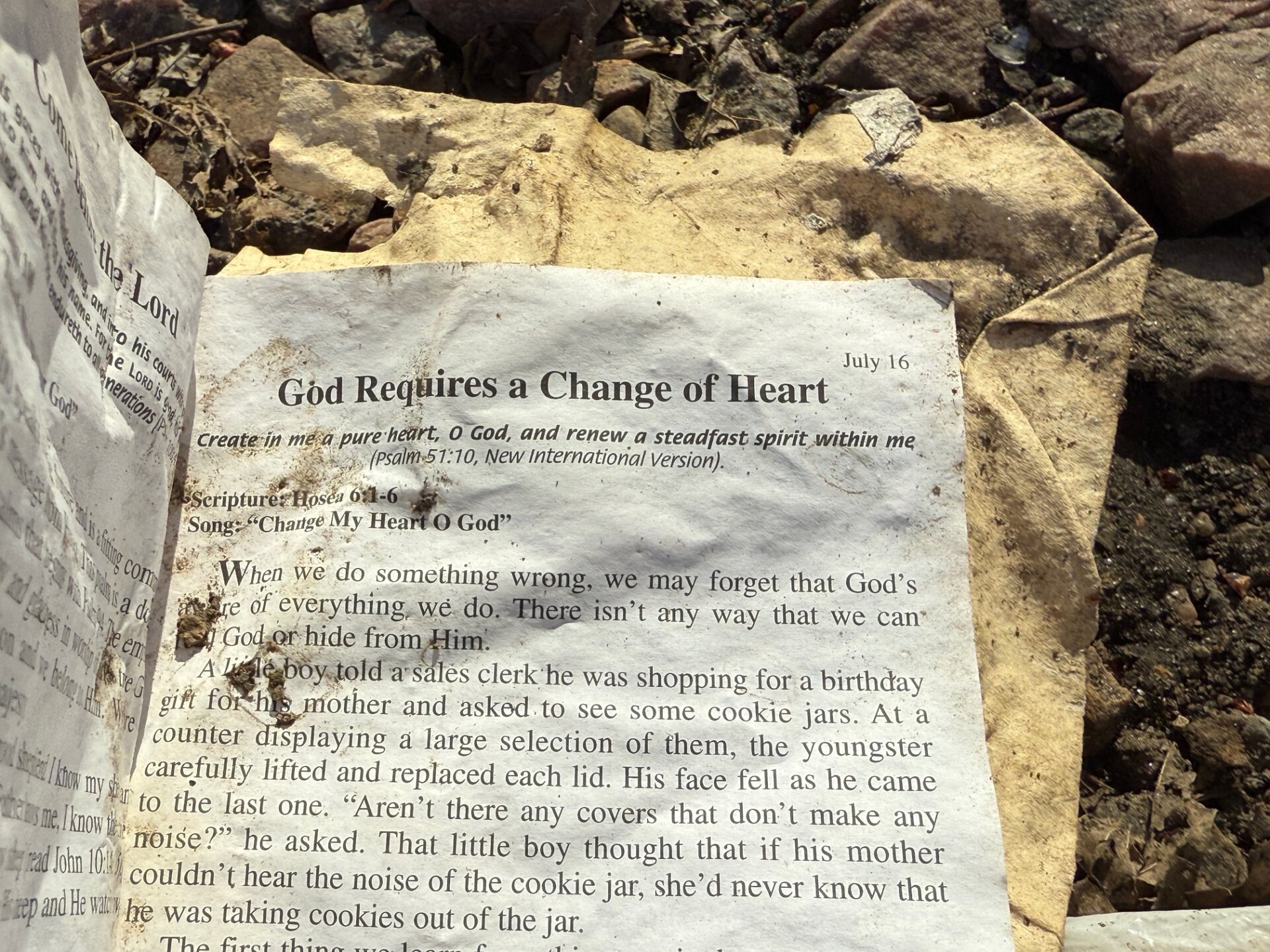
Seems like a reminder that as long as there are people out there looking for help, it’s worth considering if we might find a more effective way to offer it.
Despite all-time high, statewide homeless count finds numbers fairly stable in Sioux Falls
The post Jodi’s Journal: At ground level, stark reality of homelessness meets emerging strategies appeared first on SiouxFalls.Business.
Discover more from RSS Feeds Cloud
Subscribe to get the latest posts sent to your email.